Limbic-predominant age-related TDP-43 encephalopathy: Difference between revisions
CSV import Tags: mobile edit mobile web edit |
CSV import |
||
| Line 24: | Line 24: | ||
{{ disease-stub}} | {{ disease-stub}} | ||
<gallery> | |||
File:LATE_fig.tif|Limbic-predominant age-related TDP-43 encephalopathy | |||
File:Figure_about_NPath_and_cog_impairment.jpg|Figure about neuropathology and cognitive impairment | |||
File:MRI_of_LATE.png|MRI of Limbic-predominant age-related TDP-43 encephalopathy | |||
</gallery> | |||
Latest revision as of 04:07, 18 February 2025
Limbic-predominant Age-related TDP-43 Encephalopathy (LATE) is a neurodegenerative disease characterized by the presence of TDP-43 proteinopathies predominantly in the limbic regions of the brain, which are crucial for memory and emotion. This condition has been increasingly recognized as a significant contributor to cognitive decline in the elderly, distinct from other forms of dementia such as Alzheimer's disease and frontotemporal dementia. The understanding of LATE has evolved rapidly, highlighting the importance of accurate diagnosis and the potential for targeted therapies in the future.
Etiology and Pathogenesis[edit]
LATE is caused by the abnormal accumulation of phosphorylated TDP-43 protein within neurons. TDP-43, or TAR DNA-binding protein 43, is a protein that in its normal state plays a critical role in regulating gene expression and RNA processing. In LATE, the pathological form of TDP-43 aggregates in the limbic system, particularly affecting the hippocampus, amygdala, and medial temporal lobe, areas of the brain associated with memory and emotion. The exact trigger for the pathological transformation of TDP-43 in LATE remains unclear, but it is believed to involve both genetic and environmental factors.
Clinical Presentation[edit]
Patients with LATE typically present with symptoms of cognitive impairment that progressively worsen over time. The clinical manifestations can closely resemble those of Alzheimer's disease, including memory loss, mood changes, and difficulty with planning and decision-making. However, LATE tends to affect older populations, usually those over 80 years of age, and may have a more rapid progression in some cases. Diagnosis is challenging and often relies on a combination of clinical assessment, neuroimaging, and, in some cases, post-mortem histological analysis.
Diagnosis[edit]
The diagnosis of LATE is primarily based on the post-mortem identification of TDP-43 pathology in the absence of significant pathology of other neurodegenerative diseases. However, advances in neuroimaging and biomarkers are being explored as potential tools for the antemortem diagnosis of LATE. Currently, there is no definitive clinical or biomarker test available for LATE, making it a diagnosis of exclusion in living patients.
Treatment and Management[edit]
There is no cure for LATE, and treatment is primarily supportive, focusing on managing symptoms and improving quality of life. Cognitive therapies, lifestyle modifications, and medications may be used to address specific symptoms such as memory loss or mood changes. Research into disease-modifying therapies is ongoing, with a focus on understanding the mechanisms of TDP-43 pathology and identifying potential targets for intervention.
Epidemiology[edit]
LATE is believed to be a highly prevalent condition among the elderly, though its exact prevalence is difficult to determine due to diagnostic challenges. Studies suggest that TDP-43 pathologies may be present in a significant proportion of older individuals, with or without clinical symptoms of dementia. The recognition of LATE as a distinct entity has underscored the complexity of dementia in the aging population and the need for more precise diagnostic criteria.
Future Directions[edit]
Research into LATE is rapidly evolving, with efforts focused on better understanding its pathogenesis, developing reliable diagnostic criteria, and exploring potential treatments. The recognition of LATE as a distinct condition has important implications for clinical practice and research, highlighting the need for a nuanced approach to the diagnosis and management of cognitive decline in the elderly.

-
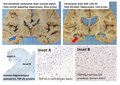 Limbic-predominant age-related TDP-43 encephalopathy
 -
 Figure about neuropathology and cognitive impairment
 -
 MRI of Limbic-predominant age-related TDP-43 encephalopathy


