HIV/AIDS in Nepal: Difference between revisions
CSV import |
CSV import |
||
| Line 22: | Line 22: | ||
[[Category:HIV/AIDS by country]] | [[Category:HIV/AIDS by country]] | ||
{{medicine-stub}} | {{medicine-stub}} | ||
<gallery> | |||
File:Chart showing the estimated number of HIV infections amoung Key population Groups aged 15-49 years from 1980 to 2014.png|Estimated number of HIV infections among key population groups (1980-2014) | |||
File:Nepal|Map of Nepal | |||
File:Table showing estimated HIV infections in Key affected populations in Nepal in 2011.png|Estimated HIV infections in key affected populations in Nepal (2011) | |||
</gallery> | |||
Revision as of 00:56, 20 February 2025
HIV/AIDS in Nepal is a significant public health issue, affecting various demographics and regions within the country. Human Immunodeficiency Virus (HIV) is a virus that attacks the immune system, and if left untreated, it can lead to Acquired Immunodeficiency Syndrome (AIDS), a condition where the immune system is so weakened it becomes unable to fight off infections. This article provides an overview of the HIV/AIDS situation in Nepal, including its history, epidemiology, government response, and the challenges faced in combating the epidemic.
History
The first case of HIV in Nepal was reported in 1988 among returning Nepali labor migrants from India. Since then, the epidemic has spread primarily through injecting drug use, unprotected sexual intercourse, and from mother to child during birth or breastfeeding. The early response to the epidemic was hampered by stigma, discrimination, and a lack of resources.
Epidemiology
As of the latest reports, Nepal has a concentrated HIV epidemic, with prevalence rates higher among key affected populations (KAPs) such as sex workers, men who have sex with men (MSM), transgender people, and injecting drug users (IDUs). The National Centre for AIDS and STD Control (NCASC) in Nepal reports that the adult HIV prevalence is below 0.2%, but the infection rate among KAPs is significantly higher.
Government Response
The Government of Nepal has taken several steps to address the HIV/AIDS epidemic. The NCASC is the primary government body responsible for coordinating the national response to HIV/AIDS. Nepal has also implemented the National HIV Strategic Plan, which aims to reduce new infections, improve the quality of life for those living with HIV, and minimize the epidemic's socio-economic impact. The country has made progress in increasing access to antiretroviral therapy (ART) for people living with HIV/AIDS.
Challenges
Despite efforts to combat HIV/AIDS in Nepal, several challenges remain. Stigma and discrimination against people living with HIV/AIDS and KAPs persist, hindering prevention and treatment efforts. There is also a need for increased funding and resources to expand HIV testing, prevention, and treatment services, especially in rural and hard-to-reach areas. Additionally, political instability and natural disasters have disrupted health services and HIV/AIDS programs.
Prevention and Treatment
Prevention efforts in Nepal include promoting condom use, harm reduction programs for IDUs, and education campaigns targeting high-risk populations and the general public. Treatment for HIV/AIDS involves the use of antiretroviral drugs, which help control the virus and enable individuals to lead healthy lives. Nepal has adopted the World Health Organization's "test and treat" strategy, offering ART to all individuals diagnosed with HIV regardless of their CD4 count.
Conclusion
HIV/AIDS in Nepal remains a public health challenge, with concentrated epidemics among key populations. While the government and various organizations have made strides in addressing the epidemic, ongoing efforts are needed to overcome the remaining challenges. Reducing stigma, increasing resources, and improving access to prevention and treatment services are crucial steps in combating HIV/AIDS in Nepal.

-
 Estimated number of HIV infections among key population groups (1980-2014)
 -
Map of Nepal
-
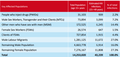 Estimated HIV infections in key affected populations in Nepal (2011)


