Nuclear power phase-out: Difference between revisions
CSV import Tags: mobile edit mobile web edit |
CSV import |
||
| Line 35: | Line 35: | ||
[[Category:Renewable energy]] | [[Category:Renewable energy]] | ||
{{Energy-stub}} | {{Energy-stub}} | ||
<gallery> | |||
File:Atom-Moratorium.svg|Nuclear power phase-out | |||
File:Nuclear_Energy_by_Year.svg|Nuclear power phase-out | |||
File:ANTIAKW.jpg|Nuclear power phase-out | |||
File:Nuclear_power_station.svg|Nuclear power phase-out | |||
File:Nuclear_plant_at_Grafenrheinfeld.jpg|Nuclear power phase-out | |||
File:Energiemix_Deutschland.svg|Nuclear power phase-out | |||
File:2018-03-REandNuclearPhaseout-1024x717.png|Nuclear power phase-out | |||
File:Kernkraftwerk_Isar_01.jpg|Nuclear power phase-out | |||
File:Fukushima_I_by_Digital_Globe.jpg|Nuclear power phase-out | |||
File:Anti-Nuclear_Power_Plant_Rally_on_19_September_2011_at_Meiji_Shrine_Outer_Garden_03.JPG|Nuclear power phase-out | |||
File:Nuclear_power_environmenal_collage.jpg|Nuclear power phase-out | |||
File:View_of_Chernobyl_taken_from_Pripyat.JPG|Nuclear power phase-out | |||
</gallery> | |||
Latest revision as of 11:57, 18 February 2025
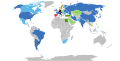
Nuclear power phase-out is the discontinuation of usage of nuclear power for energy production. Often initiated because of concerns about nuclear accidents, nuclear power phase-out is a policy implemented by many countries and power plants worldwide.
History[edit]
The history of nuclear power phase-out dates back to the 1970s, when several countries began to question the safety and sustainability of nuclear power. The Three Mile Island accident in 1979 and the Chernobyl disaster in 1986 heightened these concerns, leading to increased public opposition to nuclear power.
Reasons for Phase-Out[edit]
There are several reasons for a nuclear power phase-out. These include the potential for nuclear accidents, the problem of disposing of nuclear waste, the high cost of building new nuclear power plants, and the availability of alternative energy sources such as wind power and solar power.
Countries Implementing Phase-Out[edit]
Several countries have implemented a nuclear power phase-out. These include:
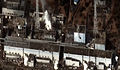
- Germany: Following the Fukushima Daiichi nuclear disaster in 2011, Germany announced it would phase out all nuclear power by 2022.
- Belgium: Belgium has planned to phase out nuclear power by 2025.
- Switzerland: In a 2017 referendum, Swiss voters approved a phase-out of nuclear power.
Impact of Phase-Out[edit]
The impact of a nuclear power phase-out can be significant. It can lead to increased reliance on fossil fuels, which can increase greenhouse gas emissions. However, it can also spur investment in renewable energy sources and energy efficiency measures.
See Also[edit]
References[edit]
<references />

-
 Nuclear power phase-out
 -
 Nuclear power phase-out
 -
 Nuclear power phase-out
 -
 Nuclear power phase-out
 -
 Nuclear power phase-out
 -
 Nuclear power phase-out
 -
 Nuclear power phase-out
 -
 Nuclear power phase-out
 -
 Nuclear power phase-out
 -
 Nuclear power phase-out
 -
 Nuclear power phase-out
 -
 Nuclear power phase-out


