Olive oil extraction: Difference between revisions
CSV import Tags: mobile edit mobile web edit |
CSV import |
||
| Line 46: | Line 46: | ||
* [http://www.internationaloliveoil.org International Olive Oil Council] | * [http://www.internationaloliveoil.org International Olive Oil Council] | ||
{{dictionary-stub1}} | {{dictionary-stub1}} | ||
<gallery> | |||
File:Capernaum_roman_olive_press_by_David_Shankbone.jpg|Olive_oil_extraction | |||
File:Olive_press_001.jpg|Olive_oil_extraction | |||
File:Fiscolo_g1.jpg|Olive_oil_extraction | |||
File:OliveOilExtractionProcess.png|Olive_oil_extraction | |||
File:Press._Katzrin_ancient_village_04.jpg|Olive_oil_extraction | |||
File:OliveOilFactoryMorocco.jpg|Olive_oil_extraction | |||
File:Olive_paste_being_applied_to_fiber_map.JPG|Olive_oil_extraction | |||
File:Marokko-162.JPG|Olive_oil_extraction | |||
File:Ancient_olive_oil_extractor-juicer,_Dion_(reconstruction).jpg|Olive_oil_extraction | |||
File:Decanter.gif|Olive_oil_extraction | |||
</gallery> | |||
Revision as of 12:18, 18 February 2025
Olive Oil Extraction
Olive oil extraction is the process of extracting the oil present in the olive drupes for use in cooking, cosmetics, pharmaceuticals, and soaps. The process is generally classified into three main methods: traditional press, centrifugation, and solvent extraction.
Traditional Press
The traditional press method, also known as the cold press method, involves grinding the olives into a paste using large millstones. The paste is then spread onto fiber disks, which are stacked on top of each other in a column, then pressed to squeeze out the oil. The oil and water are then separated by decantation.
Centrifugation
Centrifugation is a modern method of olive oil extraction. It involves crushing the olives and applying a spinning force to separate the oil from the other components. The process is faster and more efficient than the traditional press method. It also allows for the extraction of more oil from the olives.
Solvent Extraction
Solvent extraction is another method used to extract olive oil. It involves the use of a solvent, usually hexane, to dissolve the oil out of the olive paste. The solvent is then evaporated, leaving behind the oil. This method is less common than the other two, as it can leave traces of the solvent in the oil.
Quality of Olive Oil
The quality of the extracted olive oil can be affected by several factors, including the quality of the olives, the extraction method used, and the storage conditions. Extra virgin olive oil, the highest quality, is produced by cold pressing and does not use any solvents or heat.
Health Benefits
Olive oil is known for its numerous health benefits. It is rich in monounsaturated fats, which are beneficial for heart health. It also contains antioxidants and has anti-inflammatory properties.
Environmental Impact
The extraction of olive oil can have an environmental impact. The waste products, known as pomace, can be used as a source of renewable energy or as a fertilizer.
See Also
References
<references />
External Links

-
 Olive_oil_extraction
 -
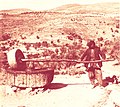 Olive_oil_extraction
 -
 Olive_oil_extraction
 -
 Olive_oil_extraction
 -
 Olive_oil_extraction
 -
 Olive_oil_extraction
 -
 Olive_oil_extraction
 -
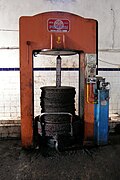 Olive_oil_extraction
 -
 Olive_oil_extraction
 -
 Olive_oil_extraction


.jpg)

