Brazilian tea culture: Difference between revisions
CSV import |
CSV import |
||
| Line 74: | Line 74: | ||
[[Category:Tea]] | [[Category:Tea]] | ||
[[Category:Food and drink in Brazil]] | [[Category:Food and drink in Brazil]] | ||
== Brazilian_tea_culture == | |||
<gallery> | |||
File:Chimarraocuia.JPG|Traditional chimarrão cuia | |||
File:Tomando_chimarrão_(mate)_em_Ponta_Grossa,_Paraná.2.jpg|Drinking chimarrão in Ponta Grossa, Paraná | |||
File:Secretario-Assis-Brasil-807x1024.jpg|Secretary Assis Brasil | |||
File:Japanese_Immigrants_in_tea_Plantation_01.jpg|Japanese immigrants in tea plantation | |||
File:Homemriograndensetomandomate2020.jpg|Man from Rio Grande do Sul drinking mate | |||
</gallery> | |||
Latest revision as of 04:58, 18 February 2025
Brazilian Tea Culture[edit]
Brazilian tea culture refers to the traditions, customs, and practices surrounding the consumption of tea in Brazil. Although Brazil is widely known for its coffee production, tea also holds a significant place in the country's beverage culture.
History[edit]
Tea was introduced to Brazil by Japanese immigrants in the early 20th century. These immigrants brought with them their tea-drinking traditions, which gradually integrated into Brazilian society. Today, tea is enjoyed by people of various backgrounds and is available in different forms and flavors throughout the country.
Types of Tea[edit]
Brazil produces a variety of teas, each with its own unique characteristics and flavors. Some of the most popular types of tea in Brazil include:
Mate[edit]
Mate is a traditional South American tea made from the leaves of the yerba mate plant. It is commonly consumed in Brazil, particularly in the southern regions. Mate is known for its strong, bitter taste and is often enjoyed hot or cold.
Herbal Teas[edit]
Brazil is also known for its wide range of herbal teas, which are made from various plants and herbs. Some popular herbal teas in Brazil include:
- Chamomile: Known for its calming properties, chamomile tea is often consumed before bedtime to promote relaxation and better sleep.
- Lemon Balm: Lemon balm tea is known for its refreshing citrus flavor and is often enjoyed as a natural remedy for stress and anxiety.
- Hibiscus: Hibiscus tea is made from the dried petals of the hibiscus flower and is known for its vibrant red color and tart flavor. It is often consumed as a refreshing iced tea.
Tea Culture and Traditions[edit]
Tea plays a significant role in Brazilian culture, particularly in social gatherings and family settings. It is common for Brazilians to offer tea to guests as a sign of hospitality and friendship. Tea is also enjoyed during afternoon tea parties and is often accompanied by traditional Brazilian pastries and snacks.
Tea Industry in Brazil[edit]
Brazil is not only a consumer but also a producer of tea. The country has several tea plantations, particularly in the southern regions where the climate is favorable for tea cultivation. The tea industry in Brazil contributes to the country's economy and provides employment opportunities for many people.
See Also[edit]
References[edit]
<references group="" responsive="1"></references>
Brazilian_tea_culture[edit]
-
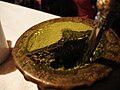 Traditional chimarrão cuia
 -
 Drinking chimarrão in Ponta Grossa, Paraná
 -
 Secretary Assis Brasil
 -
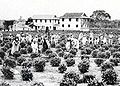 Japanese immigrants in tea plantation
 -
 Man from Rio Grande do Sul drinking mate

_em_Ponta_Grossa,_Paran%C3%A1.2.jpg)


