Beeswax wrap: Difference between revisions
CSV import |
CSV import |
||
| Line 51: | Line 51: | ||
[[Category:Food storage]] | [[Category:Food storage]] | ||
[[Category:Environmental conservation]] | [[Category:Environmental conservation]] | ||
== Beeswax_wrap == | |||
<gallery> | |||
File:Beeswax_Wrap.jpg|Beeswax Wrap | |||
File:Beeswax_wrap_covering_bowl.jpg|Beeswax wrap covering bowl | |||
File:Homemade_beeswax_wrap_step_1,_beewax_pellets.jpg|Homemade beeswax wrap step 1, beeswax pellets | |||
</gallery> | |||
Latest revision as of 11:31, 25 February 2025
Beeswax Wrap: An Eco-Friendly Alternative to Plastic Wrap[edit]
Beeswax wrap is a sustainable and eco-friendly alternative to traditional plastic wrap. It is made from a combination of beeswax and cotton fabric, providing a natural and reusable option for food storage and preservation. This article will explore the benefits of using beeswax wrap, its proper usage, and its environmental impact.
Benefits of Beeswax Wrap[edit]
Beeswax wrap offers several advantages over plastic wrap:
1. Reusability: Unlike single-use plastic wrap, beeswax wrap can be used multiple times. It can be washed with mild soap and cool water, allowing it to be reused for up to a year or more, depending on the frequency of use.
2. Biodegradability: Beeswax wrap is biodegradable, meaning it will naturally break down over time without leaving harmful residues in the environment. This makes it a more sustainable choice compared to plastic wrap, which can take hundreds of years to decompose.
3. Sustainable Material: Beeswax wrap is typically made from organic cotton fabric and coated with a mixture of beeswax, jojoba oil, and tree resin. These materials are renewable and do not contribute to the depletion of natural resources.
Proper Usage[edit]
To effectively use beeswax wrap, follow these steps:
1. Warmth Activation: Place the beeswax wrap over the desired food item or container. Use the warmth of your hands to gently mold the wrap around the object. The heat from your hands will soften the beeswax, allowing it to adhere to itself and create a seal.
2. Storage: Beeswax wrap is suitable for storing a variety of foods such as fruits, vegetables, cheese, bread, and snacks. However, it is not recommended for raw meat or hot food, as the heat may melt the beeswax coating.
3. Cleaning: After each use, wash the beeswax wrap with mild soap and cool water. Avoid using hot water or harsh detergents, as they can remove the beeswax coating. Allow the wrap to air dry or pat it dry with a cloth before storing it.
Environmental Impact[edit]
Using beeswax wrap instead of plastic wrap can significantly reduce plastic waste and its negative impact on the environment. Plastic wrap is often not recyclable and ends up in landfills or pollutes natural habitats, harming wildlife and ecosystems. Beeswax wrap, on the other hand, is a sustainable option that decomposes naturally without causing harm.
See Also[edit]
References[edit]
Beeswax_wrap[edit]
-
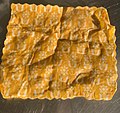 Beeswax Wrap
 -
 Beeswax wrap covering bowl
 -
 Homemade beeswax wrap step 1, beeswax pellets


