Aperol: Difference between revisions
CSV import |
CSV import |
||
| Line 5: | Line 5: | ||
File:Servino_Ristorante_-_April_2019_-_Stierch.jpg|Aperol | File:Servino_Ristorante_-_April_2019_-_Stierch.jpg|Aperol | ||
</gallery> | </gallery> | ||
==Aperol== | |||
'''Aperol''' is an Italian [[aperitif]] made of bitter orange, gentian, rhubarb, and cinchona, among other ingredients. It has a vibrant orange hue and a unique bittersweet flavor profile. Aperol is often associated with the popular cocktail, the [[Aperol Spritz]]. | |||
==History== | |||
Aperol was created in 1919 by the Barbieri brothers, Luigi and Silvio, in [[Padua]], [[Italy]]. The name "Aperol" is derived from the French slang word for aperitif, "apéro." The drink gained popularity in the post-war era, particularly in the 1950s and 1960s, as a refreshing and light pre-dinner drink. | |||
==Composition== | |||
Aperol is known for its low alcohol content, which is 11% by volume. The exact recipe is a closely guarded secret, but it is known to include a blend of herbs and roots, including [[gentian]], [[rhubarb]], and [[cinchona]]. The bright orange color is one of its most distinctive features. | |||
==Flavor Profile== | |||
Aperol has a unique taste that is both bitter and sweet. The primary flavor notes include bitter orange, rhubarb, and herbal undertones. This complex flavor profile makes it a versatile ingredient in cocktails, particularly those that are designed to be refreshing and light. | |||
==Aperol Spritz== | |||
The [[Aperol Spritz]] is one of the most popular cocktails made with Aperol. It is typically made by mixing three parts [[Prosecco]], two parts Aperol, and one part soda water. The drink is usually served over ice in a large wine glass and garnished with a slice of orange. The Aperol Spritz has become a symbol of Italian aperitivo culture and is enjoyed worldwide. | |||
==Consumption== | |||
Aperol is traditionally consumed as an aperitif, a drink served before a meal to stimulate the appetite. It is often enjoyed on its own over ice or as part of a cocktail. Aperol's low alcohol content and refreshing taste make it a popular choice for social gatherings and casual dining. | |||
==Related Pages== | |||
* [[Aperitif]] | |||
* [[Aperol Spritz]] | |||
* [[Prosecco]] | |||
* [[Italian cuisine]] | |||
{{Alcoholic beverages}} | |||
{{Cocktails}} | |||
[[Category:Italian liqueurs]] | |||
[[Category:Bitters]] | |||
[[Category:Alcoholic drinks]] | |||
Latest revision as of 00:40, 19 February 2025
-
 Aperol Logo
 -
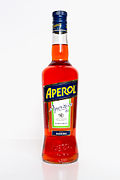 Aperol Bottle
 -
 Aperol Sour in der Bar Schmitz Katze in Tübingen 2019
 -
 Aperol


Aperol[edit]
Aperol is an Italian aperitif made of bitter orange, gentian, rhubarb, and cinchona, among other ingredients. It has a vibrant orange hue and a unique bittersweet flavor profile. Aperol is often associated with the popular cocktail, the Aperol Spritz.
History[edit]
Aperol was created in 1919 by the Barbieri brothers, Luigi and Silvio, in Padua, Italy. The name "Aperol" is derived from the French slang word for aperitif, "apéro." The drink gained popularity in the post-war era, particularly in the 1950s and 1960s, as a refreshing and light pre-dinner drink.
Composition[edit]
Aperol is known for its low alcohol content, which is 11% by volume. The exact recipe is a closely guarded secret, but it is known to include a blend of herbs and roots, including gentian, rhubarb, and cinchona. The bright orange color is one of its most distinctive features.
Flavor Profile[edit]
Aperol has a unique taste that is both bitter and sweet. The primary flavor notes include bitter orange, rhubarb, and herbal undertones. This complex flavor profile makes it a versatile ingredient in cocktails, particularly those that are designed to be refreshing and light.
Aperol Spritz[edit]
The Aperol Spritz is one of the most popular cocktails made with Aperol. It is typically made by mixing three parts Prosecco, two parts Aperol, and one part soda water. The drink is usually served over ice in a large wine glass and garnished with a slice of orange. The Aperol Spritz has become a symbol of Italian aperitivo culture and is enjoyed worldwide.
Consumption[edit]
Aperol is traditionally consumed as an aperitif, a drink served before a meal to stimulate the appetite. It is often enjoyed on its own over ice or as part of a cocktail. Aperol's low alcohol content and refreshing taste make it a popular choice for social gatherings and casual dining.
Related Pages[edit]
| Cocktails | ||||||||||
|---|---|---|---|---|---|---|---|---|---|---|
|
List of cocktails: by ingredients, alphabetical
|
