Manicotti: Difference between revisions
CSV import |
CSV import Tags: mobile edit mobile web edit |
||
| Line 23: | Line 23: | ||
{{food-stub}} | {{food-stub}} | ||
<gallery> | |||
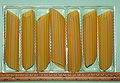
File:EMS-109321-Manicotti-rule..JPG|Manicotti | |||
</gallery> | |||
Latest revision as of 11:33, 25 February 2025

Manicotti is a type of pasta dish that is popular in Italian cuisine. The name "manicotti" comes from the Italian word manica, meaning "sleeve" or "mitten", which aptly describes the shape of this pasta. Manicotti are very large pasta tubes that can be stuffed with a variety of fillings, most commonly ricotta cheese mixed with spinach and Parmesan cheese, and then baked in a tomato sauce. This dish is a staple in many Italian-American households and is often served during special occasions and family gatherings.
Ingredients and Preparation[edit]
The basic ingredients for manicotti include the pasta shells, which are made from durum wheat semolina, and the filling. The most traditional filling is a mixture of ricotta cheese, eggs, spinach, nutmeg, salt, and pepper. This mixture may also include other ingredients such as cooked ground meat, mushrooms, or different types of cheese like mozzarella or pecorino. Once the shells are stuffed, they are laid in a baking dish over a layer of tomato sauce, covered with more sauce, sprinkled with grated cheese, and then baked until the pasta is tender and the cheese is bubbly and golden.
Cooking Variations[edit]
While the traditional manicotti recipe involves stuffing pre-cooked pasta shells, there are variations in the method of preparing this dish. One popular method involves using crepes instead of pasta tubes. These crepes are made from a simple batter and then filled with the cheese and spinach mixture, rolled up, and baked in the same manner as the pasta version. This method is believed to produce a lighter version of manicotti and is preferred by some for its delicate texture.
Serving[edit]
Manicotti is typically served as a primo piatto (first course) in Italian dining, followed by a meat or fish secondo piatto (second course) and contorni (side dishes). However, in many Italian-American contexts, it may serve as the main course due to its hearty and filling nature. It is often accompanied by a simple green salad and garlic bread.
Cultural Significance[edit]
Manicotti, like many Italian dishes, carries with it a sense of family tradition and comfort. Recipes are often passed down through generations, with each family adding its own touch to the classic dish. It is a common feature at Sunday dinners, holiday meals, and other celebratory occasions, symbolizing the importance of family gatherings and shared meals in Italian culture.
See Also[edit]

-
 Manicotti
