Maraba coffee: Difference between revisions
CSV import |
CSV import |
||
| Line 23: | Line 23: | ||
[[Category:Economy of Rwanda]] | [[Category:Economy of Rwanda]] | ||
{{food-stub}} | {{food-stub}} | ||
<gallery> | |||
File:Maraba.JPG|Maraba coffee | |||
File:Starr_070308-5472_Coffea_arabica.jpg|Coffea arabica plant | |||
File:MarabaBeanSorting1.jpg|Sorting coffee beans | |||
File:MarabaChute.jpg|Coffee processing chute | |||
File:MarabaTechCentre.jpg|Maraba Technology Centre | |||
File:Rwanda-Maraba.png|Map of Maraba, Rwanda | |||
File:MarabaCoffeeLabel.jpg|Maraba coffee label | |||
File:MarabaHoldingTanks.jpg|Coffee holding tanks | |||
File:MarabaCoffeeDryingRacks.jpg|Coffee drying racks | |||
</gallery> | |||
Latest revision as of 11:20, 18 February 2025
Maraba Coffee (Café de Maraba) is a type of coffee produced in the Maraba area of Rwanda. It has gained international recognition for its unique flavor and the remarkable story of its production, which is a testament to the resilience and innovation of the Rwandan people following the 1994 genocide. Maraba coffee is a prime example of how agricultural development can contribute to economic recovery and community rebuilding.
History[edit]
The history of Maraba coffee begins in the late 1990s when the Rwandan government, along with various international organizations, started initiatives to revitalize the coffee industry as a means to improve the country's economy devastated by the genocide. The Maraba sector, located in the Southern Province of Rwanda, became one of the focal points for these efforts due to its ideal coffee-growing conditions.
Production[edit]
Maraba coffee is produced from Arabica beans, which thrive in the volcanic soil and high altitude of Rwanda's hilly terrain. The coffee is known for its distinct flavor profile, characterized by a light, fruity acidity with hints of cherry and chocolate. The production process of Maraba coffee involves meticulous attention to detail, from the hand-picking of ripe cherries to the washing and drying stages. This careful processing is crucial for maintaining the high quality and unique taste of the coffee.
Cooperatives[edit]
A key factor in the success of Maraba coffee has been the formation of cooperatives among local farmers. The most notable of these is the Abahuzamugambi Ba Kawa Cooperative, which has played a significant role in improving the quality of life for its members through fair trade practices. These cooperatives provide farmers with training, resources, and access to international markets, ensuring a fair price for their coffee and contributing to the sustainable development of the region.
Impact[edit]
The Maraba coffee initiative has had a profound impact on the local community and the Rwandan economy as a whole. It has not only increased the income of smallholder farmers but also promoted Rwanda as a producer of high-quality specialty coffee on the international stage. Furthermore, the success of Maraba coffee has inspired similar projects in other regions of Rwanda and across Africa, highlighting the potential of agricultural development to drive economic growth and social change.
Challenges[edit]
Despite its success, the Maraba coffee industry faces several challenges, including climate change, which threatens coffee production through unpredictable weather patterns and increased pests and diseases. Additionally, maintaining the high quality of Maraba coffee requires continuous investment in farmer education and infrastructure, which can be difficult in a resource-constrained environment.
Conclusion[edit]
Maraba coffee stands as a testament to the resilience of the Rwandan people and the potential of agricultural initiatives to transform communities. Its story is one of triumph over adversity, showcasing how innovation, cooperation, and hard work can overcome the challenges of the past and pave the way for a brighter future.

-
 Maraba coffee
 -
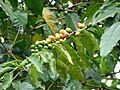 Coffea arabica plant
 -
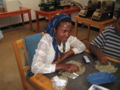 Sorting coffee beans
 -
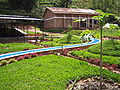 Coffee processing chute
 -
 Maraba Technology Centre
 -
 Map of Maraba, Rwanda
 -
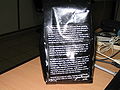 Maraba coffee label
 -
 Coffee holding tanks
 -
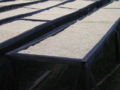 Coffee drying racks


