Sexological testing: Difference between revisions
CSV import |
CSV import Tags: mobile edit mobile web edit |
||
| Line 33: | Line 33: | ||
[[Category:Psychological testing]] | [[Category:Psychological testing]] | ||
[[Category:Medical tests]] | [[Category:Medical tests]] | ||
<gallery> | |||
File:Graf1 Sesamo test.jpg|Graf1 Sesamo test | |||
</gallery> | |||
Latest revision as of 05:01, 3 March 2025
Sexological testing refers to a range of psychological tests and medical tests used to assess sexual interests, preferences, sexual orientation, sexual dysfunctions, and other aspects of human sexuality. These tests can be utilized in clinical settings, research, legal cases, and sex therapy. The field of sexology itself is interdisciplinary, drawing on knowledge from psychology, medicine, sociology, and anthropology to understand sexual behavior and its related issues.
Types of Sexological Testing[edit]
Questionnaires and Inventories[edit]
One common form of sexological testing involves self-reported questionnaires and inventories. These tools are designed to assess various aspects of sexual function and health, including sexual desire, arousal, satisfaction, and sexual orientation. Examples include the Sexual Desire Inventory (SDI) and the International Index of Erectile Function (IIEF).
Physiological Measures[edit]
Physiological measures in sexological testing involve the use of medical equipment to assess sexual arousal and response. This can include penile plethysmography (PPG) for men, which measures penile tumescence in response to sexual stimuli, and vaginal photoplethysmography for women, which assesses vaginal blood flow. These tests are often used in research settings and to diagnose sexual dysfunctions.
Projective Tests[edit]
Projective tests, though less commonly used today, involve interpreting ambiguous stimuli, such as Rorschach inkblots or Thematic Apperception Test (TAT) images, to reveal unconscious desires and conflicts related to sexuality. These tests are based on psychoanalytic theories and are more subjective in nature.
Clinical Interviews[edit]
Clinical interviews remain a cornerstone of sexological assessment, allowing a trained professional to gather detailed information about an individual's sexual history, behaviors, and concerns. These interviews can be structured, with specific questions asked in a set order, or unstructured, allowing for a more open-ended exploration of sexual issues.
Applications of Sexological Testing[edit]
Sexological testing can be applied in various contexts, including:
- Sex therapy and counseling, to diagnose and treat sexual dysfunctions.
- Legal cases, particularly those involving sexual offenses, to assess risk and sexual interests.
- Research studies, to explore the nature of human sexuality and the effectiveness of treatments for sexual dysfunctions.
- Educational settings, to assess the impact of sex education programs.
Ethical Considerations[edit]
The use of sexological testing raises important ethical considerations, including issues of privacy, consent, and the potential for misuse of information. Test administrators must adhere to strict ethical guidelines to protect the rights and well-being of participants.
Conclusion[edit]
Sexological testing plays a vital role in the understanding and treatment of sexual issues. By combining various types of tests and assessments, professionals can gain a comprehensive view of an individual's sexual health and functioning. As the field of sexology continues to evolve, so too will the methods and applications of sexological testing.
-
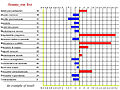 Graf1 Sesamo test

