Iliad: Difference between revisions
CSV import |
CSV import |
||
| Line 32: | Line 32: | ||
{{stub}} | {{stub}} | ||
<gallery> | |||
File:Detail._Wooden_board_inscribed_in_ink_with_lines_468-473,_Book_I_of_Homer's_Iliad._Roman_Egypt._On_display_at_the_British_Museum.jpg|Detail of Wooden board inscribed in ink with lines 468-473, Book I of Homer's Iliad | |||
File:Beginning_Iliad.svg|Beginning Iliad | |||
File:Iliad_VIII_245-253_in_cod_F205,_Milan,_Biblioteca_Ambrosiana,_late_5c_or_early_6c.jpg|Iliad VIII 245-253 in cod F205, Milan, Biblioteca Ambrosiana, late 5c or early 6c | |||
File:Achilles_weapons_MNA_Naples.jpg|Achilles weapons MNA Naples | |||
File:Achilles'_Sacrifice_of_Trojan_Prisoners.jpg|Achilles' Sacrifice of Trojan Prisoners | |||
File:Hypnos_Thanatos_BM_Vase_D56_full.jpg|Hypnos Thanatos BM Vase D56 full | |||
File:Wrath_of_Achilles2.jpg|Wrath of Achilles | |||
File:Peter_Paul_Rubens_-_Achilles_slays_Hector.jpg|Peter Paul Rubens - Achilles slays Hector | |||
File:Thomas_Lawrence_(1769-1830)_-_Homer_Reciting_his_Poems_-_T01974_-_Tate.jpg|Thomas Lawrence (1769-1830) - Homer Reciting his Poems | |||
File:Iliad1660Frontis.jpg|Iliad 1660 Frontis | |||
File:Iliad_editions.jpg|Iliad editions | |||
</gallery> | |||
Latest revision as of 21:21, 23 February 2025
Iliad is a large-scale, long-term study designed to understand the genetic, environmental and lifestyle factors that cause or prevent illness. The study is named after the epic poem by Homer, reflecting its ambitious scope and scale.
Overview[edit]
The Iliad study is a large-scale, long-term study that aims to understand the genetic, environmental and lifestyle factors that cause or prevent illness. The study is named after the epic poem by Homer, reflecting its ambitious scope and scale. The study is being conducted by a team of researchers from around the world, and is funded by a variety of sources, including government grants, private donations, and corporate sponsorships.
Objectives[edit]
The primary objective of the Iliad study is to identify the factors that contribute to the development of disease, with a particular focus on genetic factors. The study also aims to identify the factors that promote health and prevent disease. This information will be used to develop new treatments and prevention strategies for a wide range of diseases.
Methodology[edit]
The Iliad study uses a variety of research methods to achieve its objectives. These include genetic sequencing, epidemiological studies, and lifestyle surveys. The study also uses advanced statistical methods to analyze the data and identify patterns and trends.
Findings[edit]
While the Iliad study is still ongoing, it has already produced a number of significant findings. These include the identification of several new genetic markers for disease, as well as insights into the role of lifestyle factors in health and disease.
Future Directions[edit]
The researchers involved in the Iliad study plan to continue their work for many years to come. They hope that their findings will lead to new treatments and prevention strategies for a wide range of diseases, and will contribute to our understanding of human health and disease.
See Also[edit]
 | |
|---|---|
 |
 |
-
 Detail of Wooden board inscribed in ink with lines 468-473, Book I of Homer's Iliad
 -
 Beginning Iliad
 -
 Iliad VIII 245-253 in cod F205, Milan, Biblioteca Ambrosiana, late 5c or early 6c
 -
 Achilles weapons MNA Naples
 -
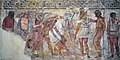 Achilles' Sacrifice of Trojan Prisoners
 -
 Hypnos Thanatos BM Vase D56 full
 -
 Wrath of Achilles
 -
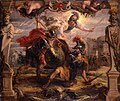 Peter Paul Rubens - Achilles slays Hector
 -
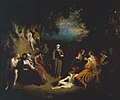 Thomas Lawrence (1769-1830) - Homer Reciting his Poems
 -
 Iliad 1660 Frontis
 -
 Iliad editions


_-_Homer_Reciting_his_Poems_-_T01974_-_Tate.jpg)


