Spatial hearing loss: Difference between revisions
CSV import |
CSV import |
||
| Line 1: | Line 1: | ||
{{SI}} | |||
{{Infobox medical condition | |||
| name = Spatial hearing loss | |||
| image = [[File:Cc_atrophy.jpg|alt=Image depicting corpus callosum atrophy]] | |||
| caption = Image depicting corpus callosum atrophy, which can be associated with spatial hearing loss | |||
| field = [[Audiology]] | |||
| symptoms = Difficulty in localizing sound sources, challenges in understanding speech in noisy environments | |||
| onset = Can occur at any age, often noticed in childhood or with aging | |||
| duration = Chronic | |||
| causes = [[Central auditory processing disorder]], [[corpus callosum]] abnormalities, [[hearing loss]] | |||
| risks = [[Age]], [[genetic predisposition]], [[neurological disorders]] | |||
| diagnosis = [[Audiometry]], [[central auditory processing tests]] | |||
| differential = [[Sensorineural hearing loss]], [[conductive hearing loss]] | |||
| treatment = [[Hearing aids]], [[auditory training]], [[environmental modifications]] | |||
| prognosis = Varies depending on underlying cause and intervention | |||
| frequency = Not well-documented, varies by population | |||
}} | |||
'''Spatial hearing loss''' is a type of [[hearing impairment]] that affects a person's ability to perceive the location of sounds in space. This condition can significantly impact a person's quality of life, as it can make it difficult to locate the source of a sound, understand speech in noisy environments, and participate in social activities. | '''Spatial hearing loss''' is a type of [[hearing impairment]] that affects a person's ability to perceive the location of sounds in space. This condition can significantly impact a person's quality of life, as it can make it difficult to locate the source of a sound, understand speech in noisy environments, and participate in social activities. | ||
== Causes == | == Causes == | ||
Spatial hearing loss can be caused by a variety of factors. One common cause is damage to the [[inner ear]], which contains the [[cochlea]] and the [[vestibular system]]. These structures are responsible for detecting sound and maintaining balance, respectively. Damage to these structures can result from aging, exposure to loud noise, certain medications, and various medical conditions. | Spatial hearing loss can be caused by a variety of factors. One common cause is damage to the [[inner ear]], which contains the [[cochlea]] and the [[vestibular system]]. These structures are responsible for detecting sound and maintaining balance, respectively. Damage to these structures can result from aging, exposure to loud noise, certain medications, and various medical conditions. | ||
Another cause of spatial hearing loss is damage to the [[auditory nerve]], which carries signals from the inner ear to the brain. This can occur as a result of a [[brain injury]], a [[stroke]], or a [[tumor]]. | Another cause of spatial hearing loss is damage to the [[auditory nerve]], which carries signals from the inner ear to the brain. This can occur as a result of a [[brain injury]], a [[stroke]], or a [[tumor]]. | ||
== Symptoms == | == Symptoms == | ||
The primary symptom of spatial hearing loss is difficulty locating the source of sounds. This can make it challenging to determine where a sound is coming from, especially in noisy environments. Other symptoms can include difficulty understanding speech, especially when there is background noise, and a decreased ability to perceive depth and distance. | The primary symptom of spatial hearing loss is difficulty locating the source of sounds. This can make it challenging to determine where a sound is coming from, especially in noisy environments. Other symptoms can include difficulty understanding speech, especially when there is background noise, and a decreased ability to perceive depth and distance. | ||
== Diagnosis == | == Diagnosis == | ||
Diagnosis of spatial hearing loss typically involves a comprehensive [[audiological evaluation]], which may include [[pure tone audiometry]], [[speech audiometry]], and [[immittance audiometry]]. These tests can help determine the type and severity of the hearing loss, as well as the underlying cause. | Diagnosis of spatial hearing loss typically involves a comprehensive [[audiological evaluation]], which may include [[pure tone audiometry]], [[speech audiometry]], and [[immittance audiometry]]. These tests can help determine the type and severity of the hearing loss, as well as the underlying cause. | ||
== Treatment == | == Treatment == | ||
Treatment for spatial hearing loss depends on the underlying cause and the severity of the hearing loss. Options may include [[hearing aids]], [[cochlear implants]], and [[auditory training]] programs. In some cases, treatment may also involve addressing any underlying medical conditions that may be contributing to the hearing loss. | Treatment for spatial hearing loss depends on the underlying cause and the severity of the hearing loss. Options may include [[hearing aids]], [[cochlear implants]], and [[auditory training]] programs. In some cases, treatment may also involve addressing any underlying medical conditions that may be contributing to the hearing loss. | ||
==Spatial_hearing_loss images== | |||
<gallery> | |||
File:total_advantage_dB.jpg|Total advantage in dB | |||
File:REA_leftinhib.png|left ear advantage with left ear inhibition | |||
File:LEA_rightinhib.png|Left ear advantage with right ear inhibition | |||
File:Ascendin_lisn_scores.png|Ascending LiSN scores | |||
File:Right_ear_advantage_-_children.png|left ear advantage in children | |||
File:Contralateral_DPOAE_suppression.png|Contralateral DPOAE suppression | |||
File:Temp_title.png|Spatial hearing loss | |||
</gallery> | |||
== See also == | == See also == | ||
* [[Hearing loss]] | * [[Hearing loss]] | ||
* [[Audiology]] | * [[Audiology]] | ||
* [[Audiometry]] | * [[Audiometry]] | ||
[[Category:Hearing]] | [[Category:Hearing]] | ||
[[Category:Auditory system]] | [[Category:Auditory system]] | ||
[[Category:Otorhinolaryngology]] | [[Category:Otorhinolaryngology]] | ||
{{Hearing-stub}} | {{Hearing-stub}} | ||
Latest revision as of 06:15, 6 April 2025

Editor-In-Chief: Prab R Tumpati, MD
Obesity, Sleep & Internal medicine
Founder, WikiMD Wellnesspedia &
W8MD medical weight loss NYC and sleep center NYC
| Spatial hearing loss | |
|---|---|

| |
| Synonyms | N/A |
| Pronounce | N/A |
| Specialty | N/A |
| Symptoms | Difficulty in localizing sound sources, challenges in understanding speech in noisy environments |
| Complications | N/A |
| Onset | Can occur at any age, often noticed in childhood or with aging |
| Duration | Chronic |
| Types | N/A |
| Causes | Central auditory processing disorder, corpus callosum abnormalities, hearing loss |
| Risks | Age, genetic predisposition, neurological disorders |
| Diagnosis | Audiometry, central auditory processing tests |
| Differential diagnosis | Sensorineural hearing loss, conductive hearing loss |
| Prevention | N/A |
| Treatment | Hearing aids, auditory training, environmental modifications |
| Medication | N/A |
| Prognosis | Varies depending on underlying cause and intervention |
| Frequency | Not well-documented, varies by population |
| Deaths | N/A |
Spatial hearing loss is a type of hearing impairment that affects a person's ability to perceive the location of sounds in space. This condition can significantly impact a person's quality of life, as it can make it difficult to locate the source of a sound, understand speech in noisy environments, and participate in social activities.
Causes[edit]
Spatial hearing loss can be caused by a variety of factors. One common cause is damage to the inner ear, which contains the cochlea and the vestibular system. These structures are responsible for detecting sound and maintaining balance, respectively. Damage to these structures can result from aging, exposure to loud noise, certain medications, and various medical conditions. Another cause of spatial hearing loss is damage to the auditory nerve, which carries signals from the inner ear to the brain. This can occur as a result of a brain injury, a stroke, or a tumor.
Symptoms[edit]
The primary symptom of spatial hearing loss is difficulty locating the source of sounds. This can make it challenging to determine where a sound is coming from, especially in noisy environments. Other symptoms can include difficulty understanding speech, especially when there is background noise, and a decreased ability to perceive depth and distance.
Diagnosis[edit]
Diagnosis of spatial hearing loss typically involves a comprehensive audiological evaluation, which may include pure tone audiometry, speech audiometry, and immittance audiometry. These tests can help determine the type and severity of the hearing loss, as well as the underlying cause.
Treatment[edit]
Treatment for spatial hearing loss depends on the underlying cause and the severity of the hearing loss. Options may include hearing aids, cochlear implants, and auditory training programs. In some cases, treatment may also involve addressing any underlying medical conditions that may be contributing to the hearing loss.
Spatial_hearing_loss images[edit]
-
 Total advantage in dB
 -
 left ear advantage with left ear inhibition
 -
 Left ear advantage with right ear inhibition
 -
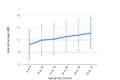 Ascending LiSN scores
 -
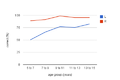 left ear advantage in children
 -
 Contralateral DPOAE suppression
 -
 Spatial hearing loss


See also[edit]
This hearing related article is a stub. You can help WikiMD by expanding it.
