Antimonial cup: Difference between revisions
CSV import |
CSV import |
||
| Line 4: | Line 4: | ||
File:Antimonialcupboerhaavemuseum.jpg|Antimonial cup at Boerhaave Museum | File:Antimonialcupboerhaavemuseum.jpg|Antimonial cup at Boerhaave Museum | ||
</gallery> | </gallery> | ||
== Antimonial Cup == | |||
An '''antimonial cup''' is a historical medical device used primarily in the 17th and 18th centuries. It was a cup made of an alloy containing [[antimony]], a metalloid element. The cup was used to create a medicinal drink believed to have purgative and emetic properties. | |||
== History == | |||
The use of antimonial cups dates back to the early modern period, a time when [[alchemy]] and [[humoral theory]] were prevalent in [[medicine]]. Physicians of the time believed that antimony had the ability to purify the body by inducing vomiting and purging, which were thought to balance the [[humors]]. | |||
Antimony was considered a powerful [[medicine]] and was used in various forms, including as a component of the antimonial cup. The practice involved pouring [[wine]] or another acidic liquid into the cup and allowing it to sit for a period of time. The acidic nature of the liquid would dissolve a small amount of antimony, which was then ingested by the patient. | |||
== Mechanism of Action == | |||
The therapeutic effect of the antimonial cup was attributed to the presence of antimony trioxide, which would dissolve into the liquid. When ingested, this compound acted as an irritant to the [[gastrointestinal tract]], causing vomiting and diarrhea. This purgative action was believed to cleanse the body of [[toxins]] and restore balance to the humors. | |||
== Decline in Use == | |||
The use of antimonial cups declined with the advent of more scientific approaches to medicine and the development of safer and more effective treatments. By the 19th century, the practice had largely fallen out of favor as the dangers of antimony poisoning became more widely recognized. | |||
== Related Pages == | |||
* [[Antimony]] | |||
* [[Alchemy]] | |||
* [[Humoral theory]] | |||
* [[History of medicine]] | |||
* [[Toxicology]] | |||
{{medicine-stub}} | |||
[[Category:History of medicine]] | |||
[[Category:Medical devices]] | |||
[[Category:Alchemy]] | |||
Latest revision as of 00:36, 19 February 2025
-
 Antimonial cup
 -
Captain Cook's antimonial cup
-
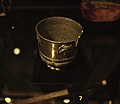 Antimonial cup at Boerhaave Museum


Antimonial Cup[edit]
An antimonial cup is a historical medical device used primarily in the 17th and 18th centuries. It was a cup made of an alloy containing antimony, a metalloid element. The cup was used to create a medicinal drink believed to have purgative and emetic properties.
History[edit]
The use of antimonial cups dates back to the early modern period, a time when alchemy and humoral theory were prevalent in medicine. Physicians of the time believed that antimony had the ability to purify the body by inducing vomiting and purging, which were thought to balance the humors.
Antimony was considered a powerful medicine and was used in various forms, including as a component of the antimonial cup. The practice involved pouring wine or another acidic liquid into the cup and allowing it to sit for a period of time. The acidic nature of the liquid would dissolve a small amount of antimony, which was then ingested by the patient.
Mechanism of Action[edit]
The therapeutic effect of the antimonial cup was attributed to the presence of antimony trioxide, which would dissolve into the liquid. When ingested, this compound acted as an irritant to the gastrointestinal tract, causing vomiting and diarrhea. This purgative action was believed to cleanse the body of toxins and restore balance to the humors.
Decline in Use[edit]
The use of antimonial cups declined with the advent of more scientific approaches to medicine and the development of safer and more effective treatments. By the 19th century, the practice had largely fallen out of favor as the dangers of antimony poisoning became more widely recognized.
Related Pages[edit]


