Cobra pose
Yoga posture resembling a cobra with its hood raised
Cobra Pose (Sanskrit: भुजङ्गासन
, Bhujangasana) is a reclining back-bending asana in Hatha yoga and modern yoga as exercise. The pose is named for its resemblance to a cobra with its hood raised.
Etymology and origins[edit]
The name comes from the Sanskrit words "bhujanga" (भुजङ्ग) meaning "snake" or "serpent" and "asana" (आसन) meaning "posture" or "seat". The pose is described in the 17th-century text Hatha Ratnavali and has been a part of yoga practice for centuries.
Description[edit]

Cobra Pose is performed by lying prone on the floor with the legs extended back and the tops of the feet on the ground. The hands are placed under the shoulders, and the elbows are kept close to the body. On inhalation, the chest is lifted off the ground by straightening the arms, while the lower body remains grounded. The gaze is directed upwards, and the shoulders are rolled back and down.
The pose is often used as a part of the Surya Namaskar (Sun Salutation) sequence and is known for its ability to strengthen the spine and open the chest.
Benefits[edit]
Cobra Pose is believed to have several physical and mental benefits:
- Spinal Strengthening: It strengthens the spine and helps improve posture.
- Chest Opening: The pose opens the chest and lungs, which can improve breathing and respiratory function.
- Abdominal Toning: It tones the abdominal muscles and stimulates the digestive organs.
- Stress Relief: Practicing this pose can help reduce stress and fatigue.
Variations[edit]

There are several variations of Cobra Pose, including:
- Sphinx Pose (Salamba Bhujangasana): A gentler version where the forearms remain on the ground.
- Upward-Facing Dog Pose (Urdhva Mukha Svanasana): A more advanced backbend where the thighs and pelvis are lifted off the ground.
Cultural Depictions[edit]

Cobra Pose has been depicted in various historical texts and artworks, illustrating its long-standing significance in yoga practice. The Sritattvanidhi, a 19th-century treatise on yoga, includes illustrations of similar poses.
Related pages[edit]

Gallery[edit]
-
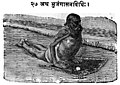 Illustration of Bhujangasana in Yogasopana
 -
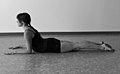 Sphinx Pose, a variation of Cobra Pose


Ad. Transform your life with W8MD's
GLP-1 weight loss injections special from $29.99 with insurance
|
WikiMD Medical Encyclopedia |
Medical Disclaimer: WikiMD is for informational purposes only and is not a substitute for professional medical advice. Content may be inaccurate or outdated and should not be used for diagnosis or treatment. Always consult your healthcare provider for medical decisions. Verify information with trusted sources such as CDC.gov and NIH.gov. By using this site, you agree that WikiMD is not liable for any outcomes related to its content. See full disclaimer.
Credits:Most images are courtesy of Wikimedia commons, and templates, categories Wikipedia, licensed under CC BY SA or similar.
Translate this page: - East Asian
中文,
日本,
한국어,
South Asian
हिन्दी,
தமிழ்,
తెలుగు,
Urdu,
ಕನ್ನಡ,
Southeast Asian
Indonesian,
Vietnamese,
Thai,
မြန်မာဘာသာ,
বাংলা
European
español,
Deutsch,
français,
Greek,
português do Brasil,
polski,
română,
русский,
Nederlands,
norsk,
svenska,
suomi,
Italian
Middle Eastern & African
عربى,
Turkish,
Persian,
Hebrew,
Afrikaans,
isiZulu,
Kiswahili,
Other
Bulgarian,
Hungarian,
Czech,
Swedish,
മലയാളം,
मराठी,
ਪੰਜਾਬੀ,
ગુજરાતી,
Portuguese,
Ukrainian
