Sodium acetate
Sodium acetate is a sodium salt of acetic acid. It is often used in the food industry as a seasoning and preservative, and in the medical field as a treatment for certain conditions.
Chemical properties[edit]
Sodium acetate is a white crystalline powder with a slight acetic odor. It is highly soluble in water and slightly soluble in alcohol. The chemical formula for sodium acetate is CH3COONa.
Uses[edit]
Sodium acetate has a wide range of uses in various industries. In the food industry, it is used as a flavoring agent and preservative. In the textile industry, it is used in the dyeing process. In the medical field, it is used as a treatment for certain conditions such as metabolic acidosis.
Health effects[edit]
Exposure to sodium acetate can cause irritation to the eyes, skin, and respiratory tract. Ingestion can lead to nausea, vomiting, and diarrhea. Long-term exposure can lead to more serious health effects such as kidney damage.
See also[edit]
References[edit]
 | This medical article is a stub. You can help WikiMD by expanding the page. |
-
Sodium acetate
-
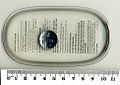 Hand warmer
 -
Sodium acetate
-
Sodium acetate trihydrate crystal
-
Sodium acetate
-
Sodium acetate
-
Sodium acetate
-
Sodium acetate
-
Sodium acetate
-
Sodium acetate

Medical Disclaimer: WikiMD is for informational purposes only and is not a substitute for professional medical advice. Content may be inaccurate or outdated and should not be used for diagnosis or treatment. Always consult your healthcare provider for medical decisions. Verify information with trusted sources such as CDC.gov and NIH.gov. By using this site, you agree that WikiMD is not liable for any outcomes related to its content. See full disclaimer.
Credits:Most images are courtesy of Wikimedia commons, and templates, categories Wikipedia, licensed under CC BY SA or similar.
Translate this page: - East Asian
中文,
日本,
한국어,
South Asian
हिन्दी,
தமிழ்,
తెలుగు,
Urdu,
ಕನ್ನಡ,
Southeast Asian
Indonesian,
Vietnamese,
Thai,
မြန်မာဘာသာ,
বাংলা
European
español,
Deutsch,
français,
Greek,
português do Brasil,
polski,
română,
русский,
Nederlands,
norsk,
svenska,
suomi,
Italian
Middle Eastern & African
عربى,
Turkish,
Persian,
Hebrew,
Afrikaans,
isiZulu,
Kiswahili,
Other
Bulgarian,
Hungarian,
Czech,
Swedish,
മലയാളം,
मराठी,
ਪੰਜਾਬੀ,
ગુજરાતી,
Portuguese,
Ukrainian


