Silicone
Silicone is a synthetic material made up of silicon, oxygen, and other elements, typically carbon and hydrogen. It is a versatile material with a variety of uses, including in medical applications.
Composition and Properties[edit]
Silicone is a polymer, meaning it is made up of many repeating units. The basic building block of silicone is a silicon-oxygen-silicon molecule, which can be combined with other elements to create a wide range of materials with different properties. Silicone is known for its durability, heat resistance, and flexibility, which make it suitable for many different applications.
Medical Applications[edit]
In the medical field, silicone is used in a variety of ways. It is used in medical devices, such as pacemakers, artificial joints, and catheters. It is also used in cosmetic surgery, for example in breast implants. Silicone is biocompatible, meaning it is not harmful to the human body, and it is resistant to bacteria and other microorganisms.
Other Uses[edit]
In addition to its medical uses, silicone is used in a wide range of other applications. It is used in the automotive industry, in construction, in electronics, and in many other fields. It is also used in everyday products such as kitchen utensils, sealants, and adhesives.
Safety and Environmental Impact[edit]
While silicone is generally considered safe for use in medical applications, there have been some concerns about its environmental impact. Silicone is not biodegradable, and it can take a long time to break down in the environment. However, it is generally considered to be less harmful than many other types of plastic.
See Also[edit]

This WikiMD article can only be edited by registered and verified editors. You can log in or register.
-
Silicone
-
Silicone
-
Silicone
-
Silicone
-
Silicone
-
Silicone
-
Silicone
-
Silicone
-
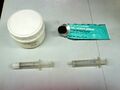 Silicone
 -
Silicone
-
Silicone
-
Silicone


Medical Disclaimer: WikiMD is for informational purposes only and is not a substitute for professional medical advice. Content may be inaccurate or outdated and should not be used for diagnosis or treatment. Always consult your healthcare provider for medical decisions. Verify information with trusted sources such as CDC.gov and NIH.gov. By using this site, you agree that WikiMD is not liable for any outcomes related to its content. See full disclaimer.
Credits:Most images are courtesy of Wikimedia commons, and templates, categories Wikipedia, licensed under CC BY SA or similar.
Translate page: - East Asian
中文,
日本,
한국어,
South Asian
हिन्दी,
தமிழ்,
తెలుగు,
Urdu,
ಕನ್ನಡ,
Southeast Asian
Indonesian,
Vietnamese,
Thai,
မြန်မာဘာသာ,
বাংলা
European
español,
Deutsch,
français,
Greek,
português do Brasil,
polski,
română,
русский,
Nederlands,
norsk,
svenska,
suomi,
Italian
Middle Eastern & African
عربى,
Turkish,
Persian,
Hebrew,
Afrikaans,
isiZulu,
Kiswahili,
Other
Bulgarian,
Hungarian,
Czech,
Swedish,
മലയാളം,
मराठी,
ਪੰਜਾਬੀ,
ગુજરાતી,
Portuguese,
Ukrainian


.jpg)