Drug packaging
Drug packaging refers to the packaging that encloses and protects products for distribution, storage, sale, and use. It is a critical tool in the pharmaceutical industry, as it plays a role in ensuring the safety and efficacy of the drug product.
Overview[edit]
Drug packaging is designed to contain a product that is typically in small quantities for direct consumption. The primary packaging material is often the material that is in direct contact with the product. Secondary packaging is outside the primary packaging, and can be used to group primary packages together.
Importance[edit]
Drug packaging plays a crucial role in the pharmaceutical industry for product delivery and regulatory compliance. It protects the product from damage during transport and storage, and also provides a barrier to protect the drug from environmental conditions such as moisture, light, and oxygen, which can degrade the product. It also provides a means of identification and provides information on product use, safety, and disposal.
Types of Drug Packaging[edit]
There are several types of drug packaging, including:
- Blister packs: These are pre-formed plastic packaging used for small consumer goods, foods, and pharmaceuticals. The primary component of a blister pack is a cavity or pocket made from a formable web, usually a thermoformed plastic.
- Bottles: These are typically used for liquid pharmaceuticals as well as tablets and capsules.
- Ampoules: These are small sealed vials used to contain and preserve a sample, usually a solid or liquid.
- Cartridges: These are special packaging used for pharmaceuticals that are typically made of glass and are used with a syringe.
- Vials: These are small bottles that typically contain pharmaceuticals and can be used for samples.
- Prefilled syringes: These are single-dose packet of vaccine to which a needle has been fixed by the manufacturer.
Regulations[edit]
Drug packaging is highly regulated. It must meet many requirements, such as: maintaining the sterility of the product, preventing physical damage, providing a barrier to microbes, oxygen, and moisture, and providing the necessary information to patients and healthcare providers.
See also[edit]
- Pharmaceutical industry
- Pharmaceutical packaging
- Blister pack
- Bottle
- Ampoule
- Cartridge
- Vial
- Prefilled syringe
References[edit]
 | This medical article is a stub. You can help WikiMD by expanding the page. |
-
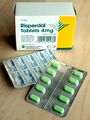 Drug packaging
 -
 Drug packaging
 -
 Drug packaging
 -
 Drug packaging
 -
 Drug packaging
 -
 Drug packaging
 -
 Drug packaging
 -
 Drug packaging
 -
 Drug packaging
 -
 Drug packaging
 -
 Drug packaging
 -
 Drug packaging

_(8250838700).jpg)


.jpg)
.jpg)


Medical Disclaimer: WikiMD is for informational purposes only and is not a substitute for professional medical advice. Content may be inaccurate or outdated and should not be used for diagnosis or treatment. Always consult your healthcare provider for medical decisions. Verify information with trusted sources such as CDC.gov and NIH.gov. By using this site, you agree that WikiMD is not liable for any outcomes related to its content. See full disclaimer.
Credits:Most images are courtesy of Wikimedia commons, and templates, categories Wikipedia, licensed under CC BY SA or similar.
Translate this page: - East Asian
中文,
日本,
한국어,
South Asian
हिन्दी,
தமிழ்,
తెలుగు,
Urdu,
ಕನ್ನಡ,
Southeast Asian
Indonesian,
Vietnamese,
Thai,
မြန်မာဘာသာ,
বাংলা
European
español,
Deutsch,
français,
Greek,
português do Brasil,
polski,
română,
русский,
Nederlands,
norsk,
svenska,
suomi,
Italian
Middle Eastern & African
عربى,
Turkish,
Persian,
Hebrew,
Afrikaans,
isiZulu,
Kiswahili,
Other
Bulgarian,
Hungarian,
Czech,
Swedish,
മലയാളം,
मराठी,
ਪੰਜਾਬੀ,
ગુજરાતી,
Portuguese,
Ukrainian

