Pickling
Pickling is a method of preserving food in an acidic medium, typically vinegar or brine, which inhibits the growth of bacteria and other microorganisms. This process not only extends the shelf life of food but also imparts a distinctive flavor and texture.
History[edit]
The practice of pickling dates back thousands of years and has been used by various cultures around the world. It is believed to have originated in ancient Mesopotamia, where cucumbers were preserved in acidic brine. Pickling was a crucial method of food preservation before the advent of refrigeration, allowing people to store food for long periods.
Process[edit]
The pickling process involves immersing food in a solution of vinegar or brine. The acidity of the solution is key to preventing spoilage. There are two main types of pickling:
Vinegar Pickling[edit]
In vinegar pickling, food is submerged in a solution of vinegar, water, and salt. The acidity of the vinegar acts as a preservative. Spices and herbs are often added to enhance flavor. This method is commonly used for pickling vegetables such as cucumbers, onions, and peppers.
Fermentation Pickling[edit]
Fermentation pickling, also known as lacto-fermentation, involves submerging food in a saltwater brine. Naturally occurring bacteria ferment the sugars in the food, producing lactic acid, which acts as a preservative. This method is used to make traditional pickles, sauerkraut, and kimchi.
Types of Pickled Foods[edit]
Pickling can be applied to a wide variety of foods, including:
- Vegetables: Cucumbers, carrots, beets, and peppers are commonly pickled.
- Fruits: Apples, pears, and cherries can be pickled for a sweet and tangy treat.
- Meats: Some cultures pickle meats such as corned beef and pickled herring.
- Eggs: Pickled eggs are a popular snack in some regions.
Health Benefits[edit]
Pickled foods can offer several health benefits. The fermentation process can enhance the nutritional value of foods by increasing levels of vitamins and probiotics, which are beneficial for gut health. However, pickled foods can also be high in sodium, so they should be consumed in moderation.
Cultural Significance[edit]
Pickling holds cultural significance in many parts of the world. In Korea, kimchi is a staple food made from fermented vegetables. In Germany, sauerkraut is a traditional dish made from fermented cabbage. Each culture has its own unique pickling techniques and recipes.
Related pages[edit]
-
 Gherkins and Onions
 -
 Indian Cultural Zone
 -
 Indian Pickle
 -
 Dưa cải muối
 -
 Gimchi
 -
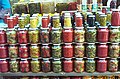 Tursucu Sahne sokak beyoglu Istanbul
 -
 Cities in Israel
 -
 Coriander Seed
 -
 Jonjoli
 -
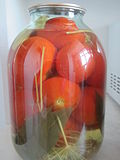 Pomidor turshusu
 -
 Giardiniera Spicy
 -
 Vase by Bat Trang ceramic for pickling


Medical Disclaimer: WikiMD is for informational purposes only and is not a substitute for professional medical advice. Content may be inaccurate or outdated and should not be used for diagnosis or treatment. Always consult your healthcare provider for medical decisions. Verify information with trusted sources such as CDC.gov and NIH.gov. By using this site, you agree that WikiMD is not liable for any outcomes related to its content. See full disclaimer.
Credits:Most images are courtesy of Wikimedia commons, and templates, categories Wikipedia, licensed under CC BY SA or similar.
Translate this page: - East Asian
中文,
日本,
한국어,
South Asian
हिन्दी,
தமிழ்,
తెలుగు,
Urdu,
ಕನ್ನಡ,
Southeast Asian
Indonesian,
Vietnamese,
Thai,
မြန်မာဘာသာ,
বাংলা
European
español,
Deutsch,
français,
Greek,
português do Brasil,
polski,
română,
русский,
Nederlands,
norsk,
svenska,
suomi,
Italian
Middle Eastern & African
عربى,
Turkish,
Persian,
Hebrew,
Afrikaans,
isiZulu,
Kiswahili,
Other
Bulgarian,
Hungarian,
Czech,
Swedish,
മലയാളം,
मराठी,
ਪੰਜਾਬੀ,
ગુજરાતી,
Portuguese,
Ukrainian
