Health geography
Health geography is a specialized branch of geography that deals with the study of patterns and trends in health across different geographical locations. It is an interdisciplinary field that incorporates aspects of human geography, public health, epidemiology, and healthcare.
Overview[edit]
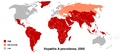
Health geography is concerned with the interaction between people and their environment, and how this interaction affects their health. This includes studying the impact of climate, pollution, and socioeconomic factors on health, as well as the distribution of health services and the utilization of these services by different populations.
History[edit]
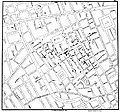
The field of health geography has its roots in the 19th century, when John Snow used spatial analysis to identify the source of a cholera outbreak in London. Since then, health geography has evolved to incorporate more sophisticated methods of spatial analysis and to address a wider range of health issues.
Key Concepts[edit]
Health Inequalities[edit]
Health geography is particularly concerned with health inequalities, which are differences in health status or in the distribution of health resources between different population groups. These inequalities can be due to a variety of factors, including socioeconomic status, race, gender, and geographic location.
Spatial Analysis[edit]
Spatial analysis is a key tool in health geography. It involves the use of geographic information systems (GIS) to map and analyze spatial data. This can help to identify patterns and trends in health, and to target interventions to areas where they are most needed.
Health Systems and Services[edit]
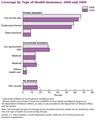
Health geography also studies the distribution and utilization of health services. This includes examining the accessibility of health services, and how this affects health outcomes.
See Also[edit]
References[edit]

This WikiMD article can only be edited by registered and verified editors. You can log in or register.
-
 Health geography
 -
 Health geography
 -
 Health geography


Medical Disclaimer: WikiMD is for informational purposes only and is not a substitute for professional medical advice. Content may be inaccurate or outdated and should not be used for diagnosis or treatment. Always consult your healthcare provider for medical decisions. Verify information with trusted sources such as CDC.gov and NIH.gov. By using this site, you agree that WikiMD is not liable for any outcomes related to its content. See full disclaimer.
Credits:Most images are courtesy of Wikimedia commons, and templates, categories Wikipedia, licensed under CC BY SA or similar.
Translate page: - East Asian
中文,
日本,
한국어,
South Asian
हिन्दी,
தமிழ்,
తెలుగు,
Urdu,
ಕನ್ನಡ,
Southeast Asian
Indonesian,
Vietnamese,
Thai,
မြန်မာဘာသာ,
বাংলা
European
español,
Deutsch,
français,
Greek,
português do Brasil,
polski,
română,
русский,
Nederlands,
norsk,
svenska,
suomi,
Italian
Middle Eastern & African
عربى,
Turkish,
Persian,
Hebrew,
Afrikaans,
isiZulu,
Kiswahili,
Other
Bulgarian,
Hungarian,
Czech,
Swedish,
മലയാളം,
मराठी,
ਪੰਜਾਬੀ,
ગુજરાતી,
Portuguese,
Ukrainian

