Crus fracture
A Crus Fracture is a type of bone fracture that occurs in the crus, or lower leg. This can include fractures of the tibia, the larger bone in the lower leg, or the fibula, the smaller bone. Crus fractures can be caused by a variety of factors, including trauma, osteoporosis, and stress fractures.
Causes[edit]
Crus fractures are typically caused by a direct blow to the leg, such as a fall or a car accident. They can also occur as a result of overuse, particularly in athletes who participate in high-impact sports like running or jumping. In some cases, a crus fracture can be caused by a medical condition that weakens the bones, such as osteoporosis.
Symptoms[edit]
The symptoms of a crus fracture can vary depending on the severity of the fracture and the specific bone that is broken. Common symptoms include pain, swelling, and difficulty walking. In severe cases, the leg may be visibly deformed.
Diagnosis[edit]
A crus fracture is typically diagnosed through a physical examination and imaging tests, such as an X-ray or MRI. The doctor will look for signs of a fracture, such as swelling, tenderness, and deformity. Imaging tests can help to confirm the diagnosis and determine the extent of the fracture.
Treatment[edit]
Treatment for a crus fracture depends on the severity of the fracture and the patient's overall health. Treatment options can include immobilization with a cast or splint, physical therapy, and in some cases, surgery.
Prevention[edit]
Preventing crus fractures involves taking steps to protect the legs from injury. This can include wearing protective gear during sports, maintaining a healthy diet and exercise routine to keep the bones strong, and managing any underlying medical conditions that can weaken the bones.
See Also[edit]

This WikiMD article can only be edited by registered and verified editors. You can log in or register.
-
 Tibial Plateau Fracture
 -
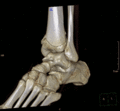 3D CT Reconstruction of Distal Tibia Fracture


Medical Disclaimer: WikiMD is for informational purposes only and is not a substitute for professional medical advice. Content may be inaccurate or outdated and should not be used for diagnosis or treatment. Always consult your healthcare provider for medical decisions. Verify information with trusted sources such as CDC.gov and NIH.gov. By using this site, you agree that WikiMD is not liable for any outcomes related to its content. See full disclaimer.
Credits:Most images are courtesy of Wikimedia commons, and templates, categories Wikipedia, licensed under CC BY SA or similar.
Translate page: - East Asian
中文,
日本,
한국어,
South Asian
हिन्दी,
தமிழ்,
తెలుగు,
Urdu,
ಕನ್ನಡ,
Southeast Asian
Indonesian,
Vietnamese,
Thai,
မြန်မာဘာသာ,
বাংলা
European
español,
Deutsch,
français,
Greek,
português do Brasil,
polski,
română,
русский,
Nederlands,
norsk,
svenska,
suomi,
Italian
Middle Eastern & African
عربى,
Turkish,
Persian,
Hebrew,
Afrikaans,
isiZulu,
Kiswahili,
Other
Bulgarian,
Hungarian,
Czech,
Swedish,
മലയാളം,
मराठी,
ਪੰਜਾਬੀ,
ગુજરાતી,
Portuguese,
Ukrainian

