Experimental psychology
Experimental psychology refers to work done by those who apply experimental methods to psychological study and the processes that underlie it. Experimental psychologists employ human participants and animal subjects to study a great many topics, including (among others) sensation & perception, memory, cognition, learning, motivation, emotion; developmental processes, social psychology, and the neural substrates of all of these.
History[edit]
The term experimental psychology dates back to the translation of Wilhelm Wundt's lectures, but the discipline itself is generally considered to have begun in 1879, when Wundt opened the first laboratory specifically dedicated to psychological research in Leipzig, Germany. Other important early contributors to the field include Hermann Ebbinghaus (a pioneer in studies on memory), Ivan Pavlov (who discovered classical conditioning), William James, and Sigmund Freud. Freud, indeed, is not considered an experimental psychologist, because his methods did not involve the rigorous experimental techniques that are used today (and were used then).
Methods[edit]
Experimental psychologists have devised a variety of ways to indirectly measure these elusive phenomenological entities. One direct way to measure mental activity is through Functional magnetic resonance imaging (fMRI), which has been used to measure lying, love, and pain. While these methods are by no means perfect and are often disputed in their efficacy, they have nonetheless led to important discoveries about the workings of the human mind and brain.
Fields[edit]
Experimental psychology is an umbrella term for a variety of different fields. These include cognitive psychology, comparative psychology, developmental psychology, and personality psychology, among others. Each of these fields uses experimental methods to study the mind and behavior.
See also[edit]
- Cognitive psychology
- Comparative psychology
- Developmental psychology
- Personality psychology
- Social psychology
- Clinical psychology
- Neuropsychology
- Psychophysics
References[edit]

This WikiMD article can only be edited by registered and verified editors. You can log in or register.
-
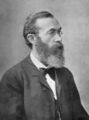 Wilhelm Wundt, the father of experimental psychology
 -
 Charles Bell, known for his work on the nervous system
 -
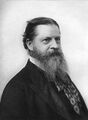 Charles Sanders Peirce, philosopher and logician
 -
Joseph Jastrow, psychologist and pioneer in experimental psychology
-
Ivan Pavlov, known for his work on classical conditioning


Medical Disclaimer: WikiMD is for informational purposes only and is not a substitute for professional medical advice. Content may be inaccurate or outdated and should not be used for diagnosis or treatment. Always consult your healthcare provider for medical decisions. Verify information with trusted sources such as CDC.gov and NIH.gov. By using this site, you agree that WikiMD is not liable for any outcomes related to its content. See full disclaimer.
Credits:Most images are courtesy of Wikimedia commons, and templates, categories Wikipedia, licensed under CC BY SA or similar.
Translate page: - East Asian
中文,
日本,
한국어,
South Asian
हिन्दी,
தமிழ்,
తెలుగు,
Urdu,
ಕನ್ನಡ,
Southeast Asian
Indonesian,
Vietnamese,
Thai,
မြန်မာဘာသာ,
বাংলা
European
español,
Deutsch,
français,
Greek,
português do Brasil,
polski,
română,
русский,
Nederlands,
norsk,
svenska,
suomi,
Italian
Middle Eastern & African
عربى,
Turkish,
Persian,
Hebrew,
Afrikaans,
isiZulu,
Kiswahili,
Other
Bulgarian,
Hungarian,
Czech,
Swedish,
മലയാളം,
मराठी,
ਪੰਜਾਬੀ,
ગુજરાતી,
Portuguese,
Ukrainian


