Livestock dehorning
Livestock dehorning is a veterinary procedure that involves removing the horns of livestock, primarily cattle, goats, and sheep, to prevent injuries to humans and other animals. This practice is common in areas where animals are closely confined or when animals are raised for meat production, to reduce the risk of injury and improve safety during handling and transport.
Reasons for Dehorning[edit]
Dehorning is performed for several reasons:
- Safety: Horns can cause serious injuries to farm workers, other animals, and the animals themselves.
- Economic: Horned animals require more space during transport, which can increase costs. They also tend to cause more damage to fences, equipment, and each other.
- Management: Dehorned animals are easier to handle and manage, especially in confined spaces.
Methods of Dehorning[edit]
There are various methods of dehorning, depending on the age and species of the animal:
- Chemical Dehorning: Involves applying a caustic substance to the horn buds of very young animals.
- Hot Iron Dehorning: A hot iron is used to burn and destroy the horn-producing cells in calves.
- Dehorning Paste: A caustic paste applied to the horn buds, similar to chemical dehorning.
- Mechanical Dehorning: Involves physically removing the horns using tools such as dehorning saws, guillotine dehorners, or tube dehorners.
- Genetic Dehorning: Breeding polled (naturally hornless) animals to eventually eliminate the need for dehorning.
Welfare Concerns[edit]
Dehorning is a controversial practice due to animal welfare concerns. It can cause pain and distress to animals, leading to calls for pain management and anesthesia during the procedure. Some countries have regulations requiring pain relief during dehorning.
Alternatives to Dehorning[edit]
Alternatives to dehorning include:
- Breeding Polled Animals: Selectively breeding for naturally hornless animals.
- Tip Trimming: Regularly trimming the tips of the horns to prevent injury without removing the entire horn.
- Use of Protective Devices: Applying devices that cover the horns to prevent injury.
Regulations and Guidelines[edit]
Regulations and guidelines on dehorning vary by country and region. They may include age restrictions, requirements for pain management, and qualifications for those performing the procedure.
See Also[edit]
This veterinary-related article is a stub. You can help WikiMD by expanding it.
 | This agriculture article is a stub. You can help Wikipedia by adding missing information. |
-
 Dehorned dairy cow
 -
 Cow being dehorned near Leakey
 -
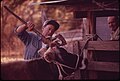 Cow being dehorned near Leakey
 -
 Disbudding impact


Ad. Transform your health with W8MD Weight Loss, Sleep & MedSpa

Tired of being overweight?
Special offer:
Budget GLP-1 weight loss medications
- Semaglutide starting from $29.99/week and up with insurance for visit of $59.99 and up per week self pay.
- Tirzepatide starting from $45.00/week and up (dose dependent) or $69.99/week and up self pay
✔ Same-week appointments, evenings & weekends
Learn more:
- GLP-1 weight loss clinic NYC
- W8MD's NYC medical weight loss
- W8MD Philadelphia GLP-1 shots
- Philadelphia GLP-1 injections
- Affordable GLP-1 shots NYC
- Budget GLP-1 shots
|
WikiMD Medical Encyclopedia |
Medical Disclaimer: WikiMD is for informational purposes only and is not a substitute for professional medical advice. Content may be inaccurate or outdated and should not be used for diagnosis or treatment. Always consult your healthcare provider for medical decisions. Verify information with trusted sources such as CDC.gov and NIH.gov. By using this site, you agree that WikiMD is not liable for any outcomes related to its content. See full disclaimer.
Credits:Most images are courtesy of Wikimedia commons, and templates, categories Wikipedia, licensed under CC BY SA or similar.
Translate this page: - East Asian
中文,
日本,
한국어,
South Asian
हिन्दी,
தமிழ்,
తెలుగు,
Urdu,
ಕನ್ನಡ,
Southeast Asian
Indonesian,
Vietnamese,
Thai,
မြန်မာဘာသာ,
বাংলা
European
español,
Deutsch,
français,
Greek,
português do Brasil,
polski,
română,
русский,
Nederlands,
norsk,
svenska,
suomi,
Italian
Middle Eastern & African
عربى,
Turkish,
Persian,
Hebrew,
Afrikaans,
isiZulu,
Kiswahili,
Other
Bulgarian,
Hungarian,
Czech,
Swedish,
മലയാളം,
मराठी,
ਪੰਜਾਬੀ,
ગુજરાતી,
Portuguese,
Ukrainian
