COVID-19 pandemic in New York (state)
COVID-19 Pandemic in New York (State)
The COVID-19 pandemic has had a significant impact on the state of New York. This article provides a detailed overview of the pandemic's effects, including the number of cases, government responses, and the healthcare system's capacity to handle the crisis.
Background[edit]
The COVID-19 pandemic, caused by the novel coronavirus SARS-CoV-2, was first identified in Wuhan, China in December 2019. It quickly spread globally, reaching New York in early 2020. The state of New York has been one of the hardest-hit regions in the United States, with a high number of cases and fatalities.
Impact[edit]
Number of Cases[edit]
As of [insert date], New York has reported [insert number] confirmed cases of COVID-19. The number of cases has been steadily increasing since the first case was reported in the state. The densely populated areas, such as New York City, have been particularly affected.
Government Response[edit]
The state government of New York has implemented various measures to combat the spread of the virus. Governor Andrew Cuomo has issued executive orders, including stay-at-home orders, closure of non-essential businesses, and mandatory mask-wearing in public places. These measures were put in place to promote social distancing and reduce the transmission of the virus.
Healthcare System Capacity[edit]
The surge in COVID-19 cases has put a strain on the healthcare system in New York. Hospitals have faced challenges in terms of bed availability, medical supplies, and staffing. The state has taken steps to increase hospital capacity, such as setting up temporary field hospitals and converting existing facilities into COVID-19 treatment centers.
Response and Recovery[edit]
Testing and Contact Tracing[edit]
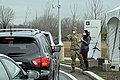
To control the spread of the virus, New York has ramped up testing efforts. Testing centers have been established across the state, and individuals showing symptoms or having potential exposure are encouraged to get tested. Contact tracing programs have also been implemented to identify and notify individuals who may have come into contact with infected individuals.
Vaccination Campaign[edit]
New York has launched an extensive vaccination campaign to protect its population against COVID-19. Vaccination sites have been set up throughout the state, and eligible individuals are encouraged to get vaccinated. The state government has prioritized high-risk groups, such as healthcare workers, the elderly, and individuals with underlying health conditions.
See Also[edit]
- COVID-19 pandemic in the United States
- Impact of the COVID-19 pandemic on the economy of New York (state)
References[edit]
<references />
External Links[edit]
This article provides a comprehensive overview of the COVID-19 pandemic in New York (state), including the number of cases, government responses, and the healthcare system's capacity to handle the crisis. For more information on the pandemic in the United States, see the article on the COVID-19 pandemic in the United States. To understand the economic impact of the pandemic on New York (state), refer to the article on the Impact of the COVID-19 pandemic on the economy of New York (state).
-
 COVID-19 pandemic in New York (state)
 -
 COVID-19 pandemic in New York (state)
 -
 COVID-19 pandemic in New York (state)
 -
 COVID-19 pandemic in New York (state)
 -
 COVID-19 pandemic in New York (state)
 -
 COVID-19 pandemic in New York (state)
.jpg)

.jpg)
.jpg)


Ad. Transform your health with W8MD Weight Loss, Sleep & MedSpa

Tired of being overweight?
Get started with evidence based, physician-supervised
affordable GLP-1 weight loss injections
Now available in New York City and Philadelphia:
- Semaglutide starting from $59.99/week and up
- Tirzepatide starting from $69.99/week and up (dose dependent)
✔ Evidence-based medical weight loss ✔ Insurance-friendly visits available ✔ Same-week appointments, evenings & weekends
Learn more:
Start your transformation today with W8MD weight loss centers.
|
WikiMD Medical Encyclopedia |
Medical Disclaimer: WikiMD is for informational purposes only and is not a substitute for professional medical advice. Content may be inaccurate or outdated and should not be used for diagnosis or treatment. Always consult your healthcare provider for medical decisions. Verify information with trusted sources such as CDC.gov and NIH.gov. By using this site, you agree that WikiMD is not liable for any outcomes related to its content. See full disclaimer.
Credits:Most images are courtesy of Wikimedia commons, and templates, categories Wikipedia, licensed under CC BY SA or similar.
Translate this page: - East Asian
中文,
日本,
한국어,
South Asian
हिन्दी,
தமிழ்,
తెలుగు,
Urdu,
ಕನ್ನಡ,
Southeast Asian
Indonesian,
Vietnamese,
Thai,
မြန်မာဘာသာ,
বাংলা
European
español,
Deutsch,
français,
Greek,
português do Brasil,
polski,
română,
русский,
Nederlands,
norsk,
svenska,
suomi,
Italian
Middle Eastern & African
عربى,
Turkish,
Persian,
Hebrew,
Afrikaans,
isiZulu,
Kiswahili,
Other
Bulgarian,
Hungarian,
Czech,
Swedish,
മലയാളം,
मराठी,
ਪੰਜਾਬੀ,
ગુજરાતી,
Portuguese,
Ukrainian
