Baltic states
Baltic States
The Baltic States, also known as the Baltics, is a geopolitical term, typically used to group the three sovereign states in Northern Europe on the eastern coast of the Baltic Sea: Estonia, Latvia, and Lithuania. The Baltic States are bounded on the west and north by the Baltic Sea, which gives the region its name.
History[edit]
The history of the Baltic States is characterized by the region's location on the path of major realpolitik powers. From the 13th to the 16th centuries, the Baltic States were a part of the Hanseatic League, and then they were conquered by Russia in the 18th century. They gained independence after World War I, but were annexed by the Soviet Union in 1940 during World War II. In 1991, the Baltic States regained their independence and have been members of the NATO and the European Union since 2004.
Geography[edit]
The Baltic States are situated in Northern Europe, on the eastern coast of the Baltic Sea. The region is characterized by a flat terrain dotted with numerous lakes and forests. The Baltic Sea has a significant impact on the region's climate, making it milder compared to other regions at the same latitude.
Culture[edit]
The culture of the Baltic States is rich and varied, reflecting influences from both East and West. The region is known for its folklore, traditional music, and art. Each of the Baltic States has its own distinct cultural identity, but they also share many cultural similarities due to their shared history.
Economy[edit]
The economy of the Baltic States is one of the fastest growing in the European Union. The region is known for its high education level and skilled workforce. The main sectors of the economy are services, industry, and agriculture.
See also[edit]
 | This Europe-related article is a stub. You can help WikiMD by expanding the page. |
Baltic states gallery[edit]
-
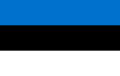 Flag of Estonia
 -
 Flag of Latvia
 -
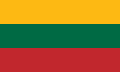 Flag of Lithuania
 -
 Teutonic Order 1260
 -
 Baltic states 1935
 -
 Hitler Stalin Pact Secret Protocol
 -
 Northern Europe November 1939
 -
 Baltic Assembly 31st session in Vilnius
 -
 Baltic Defence College emblem
 -
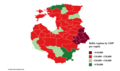 Baltic regions by GDP per capita


.jpg)


Medical Disclaimer: WikiMD is for informational purposes only and is not a substitute for professional medical advice. Content may be inaccurate or outdated and should not be used for diagnosis or treatment. Always consult your healthcare provider for medical decisions. Verify information with trusted sources such as CDC.gov and NIH.gov. By using this site, you agree that WikiMD is not liable for any outcomes related to its content. See full disclaimer.
Credits:Most images are courtesy of Wikimedia commons, and templates, categories Wikipedia, licensed under CC BY SA or similar.
Translate this page: - East Asian
中文,
日本,
한국어,
South Asian
हिन्दी,
தமிழ்,
తెలుగు,
Urdu,
ಕನ್ನಡ,
Southeast Asian
Indonesian,
Vietnamese,
Thai,
မြန်မာဘာသာ,
বাংলা
European
español,
Deutsch,
français,
Greek,
português do Brasil,
polski,
română,
русский,
Nederlands,
norsk,
svenska,
suomi,
Italian
Middle Eastern & African
عربى,
Turkish,
Persian,
Hebrew,
Afrikaans,
isiZulu,
Kiswahili,
Other
Bulgarian,
Hungarian,
Czech,
Swedish,
മലയാളം,
मराठी,
ਪੰਜਾਬੀ,
ગુજરાતી,
Portuguese,
Ukrainian
