Activated carbon

Activated carbon, also known as activated charcoal, is a form of carbon processed to have small, low-volume pores that increase the surface area available for adsorption or chemical reactions. Due to its high degree of microporosity, one gram of activated carbon has a surface area in excess of 3,000 m_.
Production[edit]
Activated carbon is produced from carbonaceous source materials such as wood, coconut shells, coal, and peat. The activation process involves treating the raw material with heat or chemicals to develop a porous structure. There are two main methods of activation:
- Physical activation: This involves carbonization of the raw material followed by activation using gases such as steam or carbon dioxide at high temperatures.
- Chemical activation: This involves impregnating the raw material with chemicals such as phosphoric acid or potassium hydroxide before carbonization.
Properties[edit]
Activated carbon is characterized by its high surface area, pore volume, and pore size distribution. These properties make it highly effective for adsorption applications. The surface chemistry of activated carbon can be modified to enhance its adsorption capacity for specific compounds.
Applications[edit]
Activated carbon is used in a variety of applications, including:
- Water purification: It is used in water filtration systems to remove impurities and contaminants such as chlorine, organic compounds, and heavy metals.
- Air purification: Activated carbon filters are used in air purifiers to remove odors, volatile organic compounds (VOCs), and other pollutants.
- Medical uses: It is used in the treatment of poisonings and overdoses following oral ingestion. Activated charcoal is also used in some medical devices to remove toxins from the blood.
- Industrial processes: It is used in the recovery of solvents, gold purification, and as a catalyst support.
Reactivation[edit]
Activated carbon can be reactivated and reused. The reactivation process involves heating the spent carbon to high temperatures to remove the adsorbed substances. This process can be performed in specialized reactivation furnaces.
Types of Activated Carbon[edit]
There are several types of activated carbon, each with specific properties and applications:
- Granular activated carbon (GAC): Used in water and air filtration systems.
- Powdered activated carbon (PAC): Used in water treatment and industrial processes.
- Extruded activated carbon: Used in air purification and industrial applications.
- Woven activated carbon cloth: Used in protective clothing and respiratory masks.
Gallery[edit]
-
 Activated carbon in granular form
 -
Water filtration systems using activated carbon
-
Activated charcoal powder
-
Activated charcoal tablets
-
Woven activated carbon cloth
-
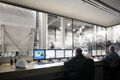 Reactivation centre in Roeselare


Related Pages[edit]
-
Activated carbon
Sponsored Health Resource

W8MD Weight Loss, Sleep & MedSpa
Looking for physician-supervised weight loss, semaglutide, tirzepatide, or GLP-1 receptor agonist options? W8MD helps eligible patients in New York City, Brooklyn, New Jersey, Connecticut, Pennsylvania, Delaware, and greater Philadelphia with medical weight loss, sleep medicine, and long-term maintenance support.
GLP-1 specials: Affordable GLP-1 injections NYC and Philadelphia starting from $29.99/week and up for semaglutide with insurance accepted for qualifying visits, and $45/week and up for tirzepatide with insurance accepted for qualifying visits. Self-pay options start from $59.99/week and up for semaglutide and $69.99/week and up for tirzepatide.
Medical weight loss NYC | Affordable GLP-1 injections NYC | Budget GLP-1 weight loss shots Philadelphia | New Jersey medical weight loss | NYC medical weight loss | Philadelphia medical weight loss | Sleep clinic NYC | W8MD's Philadelphia GLP-1 doctor | Weight loss prescriptions NYC
Book a W8MD appointment · View GLP-1 specials
Paid promotional message. Eligibility, pricing, insurance coverage, medication availability, and results vary. Medical evaluation required.

Medical Disclaimer: WikiMD is for informational purposes only and is not a substitute for professional medical advice. Content may be inaccurate or outdated and should not be used for diagnosis or treatment. Always consult your healthcare provider for medical decisions. Verify information with trusted sources such as CDC.gov and NIH.gov. By using this site, you agree that WikiMD is not liable for any outcomes related to its content. See full disclaimer.
Credits:Most images are courtesy of Wikimedia commons, and templates, categories Wikipedia, licensed under CC BY SA or similar.
Translate page: - East Asian
中文,
日本,
한국어,
South Asian
हिन्दी,
தமிழ்,
తెలుగు,
Urdu,
ಕನ್ನಡ,
Southeast Asian
Indonesian,
Vietnamese,
Thai,
မြန်မာဘာသာ,
বাংলা
European
español,
Deutsch,
français,
Greek,
português do Brasil,
polski,
română,
русский,
Nederlands,
norsk,
svenska,
suomi,
Italian
Middle Eastern & African
عربى,
Turkish,
Persian,
Hebrew,
Afrikaans,
isiZulu,
Kiswahili,
Other
Bulgarian,
Hungarian,
Czech,
Swedish,
മലയാളം,
मराठी,
ਪੰਜਾਬੀ,
ગુજરાતી,
Portuguese,
Ukrainian


