Saxon cuisine
Saxon cuisine is a traditional style of food preparation originating from Saxony, a region in Germany. Known for its hearty and robust flavors, Saxon cuisine reflects the agricultural richness of the region and its historical influences. This culinary tradition combines simplicity with a deep appreciation for local ingredients, making it a unique and integral part of German cuisine.
History[edit]
The roots of Saxon cuisine can be traced back to the early Middle Ages, where the diet was primarily based on agriculture and livestock farming. Over centuries, Saxony became a melting pot of different cultures due to various political and social changes, including the settlement of Slavic peoples and the influence of neighboring regions. This blend of cultures has significantly influenced the development of Saxon culinary traditions, incorporating a variety of flavors and techniques.
Characteristics[edit]
Saxon cuisine is characterized by its use of fresh, locally sourced ingredients. Potatoes, cabbage, and beets are staple vegetables, often accompanied by meats such as pork, beef, and poultry. Fish, particularly carp, is also a traditional component of the Saxon diet. The cuisine is known for its hearty soups, stews, and baked goods, with a particular emphasis on breads and pastries.
Traditional Dishes[edit]
- Sauerbraten - A pot roast, usually of beef (but other meats such as lamb, mutton, pork, and traditionally, horse), marinated before slow cooking as pot roast.
- Quarkkäulchen - A dessert made from quark (a type of fresh dairy product), potatoes, and flour, fried and often served with sugar and apple sauce.
- Leipziger Allerlei - A mixed vegetable dish that originally comes from Leipzig, a major city in Saxony. It typically includes carrots, peas, asparagus, and morel mushrooms.
- Dresdner Stollen - A traditional Christmas cake, known for its rich ingredients, including dried fruits, nuts, and marzipan.
Beverages[edit]
Saxon cuisine also includes a variety of traditional beverages. Beer and wine are the most common alcoholic drinks, with the region being famous for its Riesling wines. Non-alcoholic beverages include herbal teas and fruit juices, with apple juice being particularly popular.
Cultural Significance[edit]
Food in Saxony is more than just sustenance; it is a way to celebrate traditions, seasons, and regional pride. Festivals and public holidays often feature traditional Saxon dishes, and family gatherings are centered around the preparation and enjoyment of meals together. The cuisine of Saxony tells the story of its people, land, and history, making it an essential aspect of the region's cultural identity.
Current Trends[edit]
In recent years, there has been a resurgence of interest in traditional Saxon cuisine, with a focus on sustainability and organic farming. Many chefs and home cooks are revisiting old recipes, often with a modern twist, to celebrate the region's culinary heritage while promoting healthy and environmentally friendly eating habits.

-
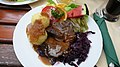 Sächsischer Sauerbraten
 -
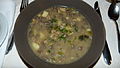 Sächsische Flecke
 -
 Leipziger Allerlei mit Morchel-Kresse-Hollandaise & Kartoffeln
 -
 Stollen-Dresdner Christstollen
 -
 Oberlausitzer Quarkkeulchen
 -
 Eierschecke mit Streuseln


Ad. Transform your life with W8MD's
GLP-1 weight loss injections special from $29.99 with insurance
|
WikiMD Medical Encyclopedia |
Medical Disclaimer: WikiMD is for informational purposes only and is not a substitute for professional medical advice. Content may be inaccurate or outdated and should not be used for diagnosis or treatment. Always consult your healthcare provider for medical decisions. Verify information with trusted sources such as CDC.gov and NIH.gov. By using this site, you agree that WikiMD is not liable for any outcomes related to its content. See full disclaimer.
Credits:Most images are courtesy of Wikimedia commons, and templates, categories Wikipedia, licensed under CC BY SA or similar.
Translate this page: - East Asian
中文,
日本,
한국어,
South Asian
हिन्दी,
தமிழ்,
తెలుగు,
Urdu,
ಕನ್ನಡ,
Southeast Asian
Indonesian,
Vietnamese,
Thai,
မြန်မာဘာသာ,
বাংলা
European
español,
Deutsch,
français,
Greek,
português do Brasil,
polski,
română,
русский,
Nederlands,
norsk,
svenska,
suomi,
Italian
Middle Eastern & African
عربى,
Turkish,
Persian,
Hebrew,
Afrikaans,
isiZulu,
Kiswahili,
Other
Bulgarian,
Hungarian,
Czech,
Swedish,
മലയാളം,
मराठी,
ਪੰਜਾਬੀ,
ગુજરાતી,
Portuguese,
Ukrainian
