Mietens syndrome
Mietens Syndrome is a rare pediatric condition characterized by a constellation of clinical features including corneal opacity, nystagmus, flexion contracture of fingers, and growth retardation. First described by Mietens in 1968, this syndrome has since been identified in a small number of cases worldwide, contributing to its classification as a rare disease.
Symptoms and Diagnosis
The hallmark symptoms of Mietens Syndrome include:
- Corneal Opacity: This refers to the loss of transparency of the cornea, leading to visual impairment. It is one of the primary indicators of the syndrome.
- Nystagmus: A condition characterized by involuntary, rapid movement of the eyes. It is often a reflection of underlying neurological or ophthalmological conditions.
- Flexion Contracture of Fingers: This involves a bending deformity of the fingers due to tightening of the skin, tendons, or joints, restricting movement.
- Growth Retardation: Affected individuals may exhibit slowed or halted physical growth, resulting in short stature.
Diagnosis of Mietens Syndrome is primarily clinical, based on the observation of its characteristic symptoms. Due to its rarity, genetic testing and consultation with specialists in genetics, ophthalmology, and pediatrics may be necessary to confirm the diagnosis and rule out other conditions with similar presentations.
Etiology
The exact cause of Mietens Syndrome remains unknown. It is suspected to have a genetic basis, given its recurrence in families, although the specific genes involved have not been identified. Research into the genetic underpinnings of the syndrome is ongoing, with the hope of better understanding its pathogenesis and potential avenues for treatment.
Treatment and Management
There is no cure for Mietens Syndrome, and treatment is symptomatic and supportive. Management strategies may include:
- Ophthalmological Interventions: Regular monitoring and treatment of eye-related symptoms, such as corneal opacity and nystagmus, to preserve vision as much as possible.
- Physical Therapy: To address flexion contractures and improve mobility and function of the fingers.
- Growth Support: Nutritional support and, in some cases, growth hormone therapy may be considered to address growth retardation.
Prognosis
The prognosis for individuals with Mietens Syndrome varies depending on the severity of symptoms and the effectiveness of management strategies. Early intervention and multidisciplinary care can improve quality of life and outcomes for those affected.
See Also

-
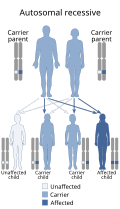 Autosomal recessive inheritance pattern

Ad. Transform your health with W8MD Weight Loss, Sleep & MedSpa

Tired of being overweight?
Special offer:
Budget GLP-1 weight loss medications
- Semaglutide starting from $29.99/week and up with insurance for visit of $59.99 and up per week self pay.
- Tirzepatide starting from $45.00/week and up (dose dependent) or $69.99/week and up self pay
✔ Same-week appointments, evenings & weekends
Learn more:
- GLP-1 weight loss clinic NYC
- W8MD's NYC medical weight loss
- W8MD Philadelphia GLP-1 shots
- Philadelphia GLP-1 injections
- Affordable GLP-1 shots NYC
|
WikiMD Medical Encyclopedia |
Medical Disclaimer: WikiMD is for informational purposes only and is not a substitute for professional medical advice. Content may be inaccurate or outdated and should not be used for diagnosis or treatment. Always consult your healthcare provider for medical decisions. Verify information with trusted sources such as CDC.gov and NIH.gov. By using this site, you agree that WikiMD is not liable for any outcomes related to its content. See full disclaimer.
Credits:Most images are courtesy of Wikimedia commons, and templates, categories Wikipedia, licensed under CC BY SA or similar.
Translate this page: - East Asian
中文,
日本,
한국어,
South Asian
हिन्दी,
தமிழ்,
తెలుగు,
Urdu,
ಕನ್ನಡ,
Southeast Asian
Indonesian,
Vietnamese,
Thai,
မြန်မာဘာသာ,
বাংলা
European
español,
Deutsch,
français,
Greek,
português do Brasil,
polski,
română,
русский,
Nederlands,
norsk,
svenska,
suomi,
Italian
Middle Eastern & African
عربى,
Turkish,
Persian,
Hebrew,
Afrikaans,
isiZulu,
Kiswahili,
Other
Bulgarian,
Hungarian,
Czech,
Swedish,
മലയാളം,
मराठी,
ਪੰਜਾਬੀ,
ગુજરાતી,
Portuguese,
Ukrainian
