Sexuality and disability
Sexuality and disability is a topic that encompasses a wide range of issues, experiences, and perspectives. It involves the intersection of sexuality, a fundamental aspect of human life, and disability, a broad term that includes various physical, mental, and sensory impairments.
Overview[edit]
Sexuality is a central aspect of being human throughout life and includes sex, gender identities and roles, sexual orientation, eroticism, pleasure, intimacy, and reproduction. Disability, on the other hand, is an umbrella term for impairments, activity limitations, and participation restrictions. It denotes the negative aspects of the interaction between an individual (with a health condition) and that individual's contextual factors (environmental and personal factors).
Sexuality in People with Disabilities[edit]
People with disabilities can have fulfilling sexual lives, just like those without disabilities. However, societal attitudes, myths, and misconceptions can often create barriers and challenges. For instance, people with disabilities are often wrongly assumed to be asexual or incapable of having sexual relationships. These misconceptions can lead to a lack of sexual education and opportunities for people with disabilities.
Disability and Sexual Rights[edit]
The United Nations Convention on the Rights of Persons with Disabilities (UNCRPD) recognizes the sexual rights of people with disabilities. These rights include the right to respect for physical and mental integrity, the right to marry and found a family, and the right to decide on the number and spacing of children.
Sexuality Education for People with Disabilities[edit]
Sexuality education is crucial for people with disabilities. It can help them understand their bodies, recognize their sexual feelings, and practice safe sex. However, people with disabilities often receive inadequate or inappropriate sexuality education, if they receive any at all.
Assistive Devices and Sexuality[edit]
Assistive devices can play a significant role in the sexual lives of people with disabilities. These devices can help people with disabilities overcome physical limitations and engage in sexual activities. Examples of such devices include sexual positioning devices, vibratory stimulation devices, and erectile dysfunction devices.
See Also[edit]
.svg)

This article is a disability-related stub. You can help WikiMD by expanding it!
-
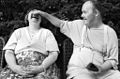 Down-Syndrom Walter 53 Jahre

Ad. Transform your life with W8MD's
GLP-1 weight loss injections special from $29.99 with insurance
|
WikiMD Medical Encyclopedia |
Medical Disclaimer: WikiMD is for informational purposes only and is not a substitute for professional medical advice. Content may be inaccurate or outdated and should not be used for diagnosis or treatment. Always consult your healthcare provider for medical decisions. Verify information with trusted sources such as CDC.gov and NIH.gov. By using this site, you agree that WikiMD is not liable for any outcomes related to its content. See full disclaimer.
Credits:Most images are courtesy of Wikimedia commons, and templates, categories Wikipedia, licensed under CC BY SA or similar.
Translate this page: - East Asian
中文,
日本,
한국어,
South Asian
हिन्दी,
தமிழ்,
తెలుగు,
Urdu,
ಕನ್ನಡ,
Southeast Asian
Indonesian,
Vietnamese,
Thai,
မြန်မာဘာသာ,
বাংলা
European
español,
Deutsch,
français,
Greek,
português do Brasil,
polski,
română,
русский,
Nederlands,
norsk,
svenska,
suomi,
Italian
Middle Eastern & African
عربى,
Turkish,
Persian,
Hebrew,
Afrikaans,
isiZulu,
Kiswahili,
Other
Bulgarian,
Hungarian,
Czech,
Swedish,
മലയാളം,
मराठी,
ਪੰਜਾਬੀ,
ગુજરાતી,
Portuguese,
Ukrainian
