Culture and menstruation
Culture and menstruation is a topic that explores the various cultural perspectives, practices, and beliefs associated with menstruation. The way menstruation is perceived and managed varies greatly across different cultures and societies, influenced by factors such as religion, tradition, and societal norms.
Cultural Perspectives[edit]
In many cultures, menstruation is seen as a natural and healthy part of a woman's life cycle. However, in some societies, menstruation is associated with taboos and stigmas, often leading to the marginalization and exclusion of menstruating women.
Positive Perspectives[edit]
In some cultures, menstruation is celebrated as a sign of fertility and womanhood. For example, in certain Native American tribes, menstruating women are considered to be at the peak of their spiritual power. Similarly, in parts of South India, a girl's first menstruation is celebrated with a ceremony known as Ritu Kala Samskara.
Negative Perspectives[edit]
In contrast, there are cultures where menstruation is viewed negatively. In some societies, menstruating women are considered impure or unclean, leading to practices such as seclusion and exclusion from daily activities. An example of this is the practice of Chhaupadi in Nepal, where menstruating women are isolated in huts away from their homes.
Cultural Practices[edit]
Cultural practices associated with menstruation range from rituals and ceremonies to specific hygiene practices. These practices are often deeply rooted in tradition and societal norms.
Menstrual Hygiene Management[edit]
Menstrual Hygiene Management (MHM) refers to the practices used by women and girls to manage their menstrual cycle. This includes the use of sanitary products, personal hygiene practices, and disposal methods. MHM practices vary greatly across different cultures, influenced by factors such as availability of resources, education, and cultural beliefs.
Rituals and Ceremonies[edit]
Many cultures have rituals and ceremonies associated with menstruation, particularly a girl's first menstruation. These rituals often serve to mark the transition from girlhood to womanhood. Examples include the aforementioned Ritu Kala Samskara in South India and the Apache Sunrise Ceremony in the Apache tribe of North America.
Impact on Society[edit]
The cultural perspectives and practices associated with menstruation can have significant impacts on various aspects of society, including gender equality, education, and health.
Gender Equality[edit]
Negative cultural attitudes towards menstruation can contribute to gender inequality by reinforcing discriminatory practices and stigmas. On the other hand, positive attitudes and open dialogue about menstruation can promote gender equality by normalizing and destigmatizing this natural biological process.
Education[edit]
Cultural practices and beliefs about menstruation can impact girls' education. In some societies, girls are excluded from school during their menstrual period, leading to missed educational opportunities. Efforts to improve menstrual hygiene management in schools, such as providing sanitary products and education about menstruation, can help to address this issue.
Health[edit]
Cultural beliefs and practices can also impact menstrual health. For example, lack of education about menstruation and limited access to sanitary products can lead to poor menstrual hygiene, increasing the risk of infections and other health issues.
See Also[edit]

This women's health related article is a stub. You can help WikiMD by expanding it.
-
 Pilbara two
 -
 Angola Yombe Nagelfigur Linden-Museum 35627
 -
 Udine Palazzo Patriarcale - Laban 1
 -
 Krishna Cleaves the Demon Narakasura with his Discus
 -
 Keddaso - Festival of worshipping Mother Earth
 -
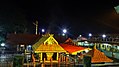 Sabarimala 2
 -
 Kamakhya aiya
 -
 IT'S PROHIBITED TO ENTER WITHOUT DECENT DRESS AND FOR WOMAN HAVING MENSTRUATION, Bali. 1979
 -
 Menstrual pads in car
 -
 Girl menstruation pads from the Kruidvat, Winschoten (2020) 02


_02.jpg)
Ad. Transform your life with W8MD's
GLP-1 weight loss injections special from $29.99 with insurance
|
WikiMD Medical Encyclopedia |
Medical Disclaimer: WikiMD is for informational purposes only and is not a substitute for professional medical advice. Content may be inaccurate or outdated and should not be used for diagnosis or treatment. Always consult your healthcare provider for medical decisions. Verify information with trusted sources such as CDC.gov and NIH.gov. By using this site, you agree that WikiMD is not liable for any outcomes related to its content. See full disclaimer.
Credits:Most images are courtesy of Wikimedia commons, and templates, categories Wikipedia, licensed under CC BY SA or similar.
Translate this page: - East Asian
中文,
日本,
한국어,
South Asian
हिन्दी,
தமிழ்,
తెలుగు,
Urdu,
ಕನ್ನಡ,
Southeast Asian
Indonesian,
Vietnamese,
Thai,
မြန်မာဘာသာ,
বাংলা
European
español,
Deutsch,
français,
Greek,
português do Brasil,
polski,
română,
русский,
Nederlands,
norsk,
svenska,
suomi,
Italian
Middle Eastern & African
عربى,
Turkish,
Persian,
Hebrew,
Afrikaans,
isiZulu,
Kiswahili,
Other
Bulgarian,
Hungarian,
Czech,
Swedish,
മലയാളം,
मराठी,
ਪੰਜਾਬੀ,
ગુજરાતી,
Portuguese,
Ukrainian
