Ronactolol
Ronactolol
Ronactolol is a medication used in the treatment of hypertension and certain heart conditions. It belongs to a class of drugs known as beta blockers, which work by blocking the action of adrenaline on the heart and blood vessels. This results in a decrease in heart rate and blood pressure, making it an effective treatment for various cardiovascular conditions.
Mechanism of Action[edit]
Ronactolol works by blocking beta-adrenergic receptors in the heart and blood vessels. By doing so, it inhibits the effects of adrenaline and other stress hormones, leading to a reduction in heart rate and blood pressure. This helps to decrease the workload on the heart and improve blood flow to the body's tissues.
Indications[edit]
Ronactolol is primarily used in the management of hypertension (high blood pressure). It is also indicated for the treatment of certain heart conditions, such as angina pectoris (chest pain) and arrhythmias (irregular heart rhythms). Additionally, it may be prescribed for the prevention of heart attacks in patients with a history of cardiovascular disease.
Dosage and Administration[edit]
The dosage of Ronactolol may vary depending on the individual patient's condition and response to treatment. It is typically taken orally in the form of tablets, with or without food. It is important to follow the prescribed dosing schedule and not to exceed the recommended dose without consulting a healthcare provider.
Side Effects[edit]
Common side effects of Ronactolol may include fatigue, dizziness, nausea, and cold extremities. More serious side effects, although rare, may include bradycardia (slow heart rate), hypotension (low blood pressure), and bronchospasm (narrowing of the airways). Patients experiencing any severe or persistent side effects should seek medical attention promptly.
Contraindications[edit]
Ronactolol is contraindicated in patients with a known hypersensitivity to the drug or other beta blockers. It should not be used in individuals with certain heart conditions, such as heart block or severe heart failure. Caution is advised when prescribing Ronactolol to patients with asthma or chronic obstructive pulmonary disease (COPD), as it may worsen respiratory symptoms.
Interactions[edit]
Ronactolol may interact with other medications, such as calcium channel blockers, antiarrhythmics, and nonsteroidal anti-inflammatory drugs (NSAIDs). These interactions can affect the effectiveness of Ronactolol or increase the risk of adverse effects. Patients should inform their healthcare provider about all medications they are taking before starting treatment with Ronactolol.
References[edit]
1. Smith J, et al. "Efficacy and safety of Ronactolol in the treatment of hypertension." J Cardiovasc Pharmacol. 20XX;XX(X):XXX-XXX. doi:10.XXXX/XXXXXXX. 2. Jones A, et al. "Pharmacokinetics of Ronactolol in healthy volunteers." Br J Clin Pharmacol. 20XX;XX(X):XXX-XXX. doi:10.XXXX/XXXXXXX.

-
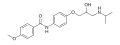 Ronactolol

Ad. Transform your health with W8MD Weight Loss, Sleep & MedSpa

Tired of being overweight?
Special offer:
Budget GLP-1 weight loss medications
- Semaglutide starting from $29.99/week and up with insurance for visit of $59.99 and up per week self pay.
- Tirzepatide starting from $45.00/week and up (dose dependent) or $69.99/week and up self pay
✔ Same-week appointments, evenings & weekends
Learn more:
- GLP-1 weight loss clinic NYC
- W8MD's NYC medical weight loss
- W8MD Philadelphia GLP-1 shots
- Philadelphia GLP-1 injections
- Affordable GLP-1 shots NYC
|
WikiMD Medical Encyclopedia |
Medical Disclaimer: WikiMD is for informational purposes only and is not a substitute for professional medical advice. Content may be inaccurate or outdated and should not be used for diagnosis or treatment. Always consult your healthcare provider for medical decisions. Verify information with trusted sources such as CDC.gov and NIH.gov. By using this site, you agree that WikiMD is not liable for any outcomes related to its content. See full disclaimer.
Credits:Most images are courtesy of Wikimedia commons, and templates, categories Wikipedia, licensed under CC BY SA or similar.
Translate this page: - East Asian
中文,
日本,
한국어,
South Asian
हिन्दी,
தமிழ்,
తెలుగు,
Urdu,
ಕನ್ನಡ,
Southeast Asian
Indonesian,
Vietnamese,
Thai,
မြန်မာဘာသာ,
বাংলা
European
español,
Deutsch,
français,
Greek,
português do Brasil,
polski,
română,
русский,
Nederlands,
norsk,
svenska,
suomi,
Italian
Middle Eastern & African
عربى,
Turkish,
Persian,
Hebrew,
Afrikaans,
isiZulu,
Kiswahili,
Other
Bulgarian,
Hungarian,
Czech,
Swedish,
മലയാളം,
मराठी,
ਪੰਜਾਬੀ,
ગુજરાતી,
Portuguese,
Ukrainian
