Melba (apple)
Melba (apple)
The Melba apple is a cultivar of apple which was introduced in 1898 by the Canadian horticulturist Charles E. Saunders. It was named in honor of the Australian opera singer Dame Nellie Melba.
History[edit]
The Melba apple was first cultivated in the Dominion Experimental Farms system, which was established in 1886 to support the development of farming in Canada. The apple was introduced to the public in 1898 and quickly gained popularity due to its early ripening and excellent flavor.
Characteristics[edit]
The Melba apple is medium-sized with a round shape. The skin is thin and smooth, with a pale yellow background overlaid with a red or pink blush. The flesh is white, crisp, and juicy, with a sweet-tart flavor that is often described as honeyed. The apple is known for its excellent eating quality and is also good for cooking and baking.
Cultivation[edit]
Melba apples are best grown in temperate climates, as they require a cold period in the winter to produce fruit. They are also susceptible to a number of apple diseases, including apple scab and fire blight, so careful management is required to maintain a healthy orchard.
See also[edit]
References[edit]
<references />

-
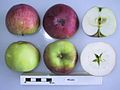 Cross section of Melba
 -
 Pomological Watercolor
 -
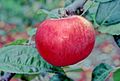 Melba on tree
.jpg)

.jpg)
Ad. Transform your life with W8MD's
GLP-1 weight loss injections special from $29.99 with insurance
|
WikiMD Medical Encyclopedia |
Medical Disclaimer: WikiMD is for informational purposes only and is not a substitute for professional medical advice. Content may be inaccurate or outdated and should not be used for diagnosis or treatment. Always consult your healthcare provider for medical decisions. Verify information with trusted sources such as CDC.gov and NIH.gov. By using this site, you agree that WikiMD is not liable for any outcomes related to its content. See full disclaimer.
Credits:Most images are courtesy of Wikimedia commons, and templates, categories Wikipedia, licensed under CC BY SA or similar.
Translate this page: - East Asian
中文,
日本,
한국어,
South Asian
हिन्दी,
தமிழ்,
తెలుగు,
Urdu,
ಕನ್ನಡ,
Southeast Asian
Indonesian,
Vietnamese,
Thai,
မြန်မာဘာသာ,
বাংলা
European
español,
Deutsch,
français,
Greek,
português do Brasil,
polski,
română,
русский,
Nederlands,
norsk,
svenska,
suomi,
Italian
Middle Eastern & African
عربى,
Turkish,
Persian,
Hebrew,
Afrikaans,
isiZulu,
Kiswahili,
Other
Bulgarian,
Hungarian,
Czech,
Swedish,
മലയാളം,
मराठी,
ਪੰਜਾਬੀ,
ગુજરાતી,
Portuguese,
Ukrainian
