Pão de queijo

Pão de queijo is a popular Brazilian snack and breakfast dish, originating from the states of Minas Gerais and Goiás. It is a small, baked, cheese-flavored roll, a staple in Brazilian culture, and recognized for its distinctive, chewy texture. This gluten-free bread is made from cassava flour, eggs, salt, vegetable oil, and cheese, typically Minas cheese, though mozzarella and parmesan can also be used. The history of pão de queijo dates back to the 18th century, evolving from the culinary practices of African slaves and the indigenous peoples of Brazil.
History[edit]
The origins of pão de queijo trace back to the colonial period in Brazil when African slaves would soak and peel the cassava root, a process that made it edible. Initially, the bread was made without cheese; the addition of dairy only came later as the recipe evolved, particularly in the state of Minas Gerais, known for its dairy production. Over time, pão de queijo became a regional delicacy and eventually spread throughout Brazil, becoming a national favorite.
Ingredients and Preparation[edit]
The traditional recipe for pão de queijo includes cassava flour or its sour variant, eggs, water, oil, salt, and cheese. The type of cheese used can vary, but traditional recipes often call for queijo Minas, a soft, Brazilian cheese. The ingredients are mixed together, rolled into small balls, and then baked. The unique texture of pão de queijo, crispy on the outside and soft and chewy on the inside, is due to the properties of cassava flour, which is gluten-free.
Cultural Significance[edit]
Pão de queijo holds a special place in Brazilian culture, often consumed for breakfast or as a snack throughout the day. It is also a common offering in Brazilian restaurants and bakeries around the world, symbolizing the global reach of Brazilian cuisine. The dish is particularly associated with the state of Minas Gerais, where it is considered a local delicacy and an integral part of the state's culinary identity.
Variations[edit]
While the basic ingredients of pão de queijo remain consistent, there are variations in its preparation and presentation across different regions of Brazil. Some recipes may include different types of cheese or additional ingredients like herbs and spices to alter the flavor. Additionally, the size of the rolls can vary, from bite-sized to larger, bun-sized portions.
In Popular Culture[edit]
Pão de queijo has transcended its regional origins to become a symbol of Brazilian hospitality and warmth. It is often served to guests and visitors, reflecting the country's welcoming culture. The dish has also been featured in various international culinary publications and television shows, further cementing its status as a global ambassador of Brazilian cuisine.

-
 Pão de Queijo (Brazilian Cheese Bread)
 -
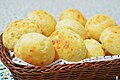 Cheesebread
 -
 Pão de queijo com café
 -
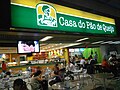 Casa do Pão de Queijo - São José dos Pinhais
.jpg)


Ad. Transform your health with W8MD Weight Loss, Sleep & MedSpa

Tired of being overweight?
Special offer:
Budget GLP-1 weight loss medications
- Semaglutide starting from $29.99/week and up with insurance for visit of $59.99 and up per week self pay.
- Tirzepatide starting from $45.00/week and up (dose dependent) or $69.99/week and up self pay
✔ Same-week appointments, evenings & weekends
Learn more:
- GLP-1 weight loss clinic NYC
- W8MD's NYC medical weight loss
- W8MD Philadelphia GLP-1 shots
- Philadelphia GLP-1 injections
- Affordable GLP-1 shots NYC
|
WikiMD Medical Encyclopedia |
Medical Disclaimer: WikiMD is for informational purposes only and is not a substitute for professional medical advice. Content may be inaccurate or outdated and should not be used for diagnosis or treatment. Always consult your healthcare provider for medical decisions. Verify information with trusted sources such as CDC.gov and NIH.gov. By using this site, you agree that WikiMD is not liable for any outcomes related to its content. See full disclaimer.
Credits:Most images are courtesy of Wikimedia commons, and templates, categories Wikipedia, licensed under CC BY SA or similar.
Translate this page: - East Asian
中文,
日本,
한국어,
South Asian
हिन्दी,
தமிழ்,
తెలుగు,
Urdu,
ಕನ್ನಡ,
Southeast Asian
Indonesian,
Vietnamese,
Thai,
မြန်မာဘာသာ,
বাংলা
European
español,
Deutsch,
français,
Greek,
português do Brasil,
polski,
română,
русский,
Nederlands,
norsk,
svenska,
suomi,
Italian
Middle Eastern & African
عربى,
Turkish,
Persian,
Hebrew,
Afrikaans,
isiZulu,
Kiswahili,
Other
Bulgarian,
Hungarian,
Czech,
Swedish,
മലയാളം,
मराठी,
ਪੰਜਾਬੀ,
ગુજરાતી,
Portuguese,
Ukrainian
