Mucuna


Mucuna is a genus of around 100 accepted species of climbing plants and shrubs of the family Fabaceae, native to tropical and subtropical regions of Africa, India, and the Caribbean. The genus is notable for its striking flowers and the presence of L-DOPA, a precursor to the neurotransmitters dopamine, norepinephrine (noradrenaline), and epinephrine (adrenaline) in its seeds. Mucuna species are used in agriculture, horticulture, and traditional medicine across various cultures.
Description[edit]
Mucuna plants are characterized by their climbing habit, often using other vegetation for support. They have compound leaves with three leaflets and produce dense clusters of flowers, which can be white, purple, or pink, depending on the species. The fruit is a legume, typically hairy, that opens by splitting when mature, revealing seeds that vary in color from black to brown or white.
Ecology[edit]
Mucuna species play a significant role in their ecosystems. They are important for soil conservation due to their climbing and ground-cover habits, which help prevent soil erosion. Additionally, their flowers are a source of nectar for various pollinators, including bees and butterflies.
Uses[edit]
- Agricultural and Horticultural Uses
Mucuna species are used in agriculture as cover crops and green manure, improving soil fertility and structure. They are also popular in tropical gardens for their ornamental value, with their attractive flowers and foliage.
- Medicinal Uses
The seeds of some Mucuna species, particularly Mucuna pruriens, contain significant amounts of L-DOPA, an important drug in the treatment of Parkinson's disease. Traditional medicine systems, such as Ayurveda in India, have used Mucuna seeds for centuries to treat various ailments, including Parkinson's disease, nervous disorders, and as an aphrodisiac.
Species[edit]
Some notable species within the Mucuna genus include:
- Mucuna pruriens (commonly known as velvet bean or cowitch)
- Mucuna gigantea (beach bean)
- Mucuna sloanei
- Mucuna novo-guineensis
- Mucuna warburgii
Conservation[edit]
While some Mucuna species are widespread and not considered at risk, others are threatened by habitat destruction and overharvesting, particularly those with medicinal value like Mucuna pruriens. Conservation efforts are necessary to ensure the survival of these species in their natural habitats.
Cultural Significance[edit]
In addition to their medicinal and agricultural uses, Mucuna species have cultural significance in various regions. For example, the seeds of Mucuna pruriens are used in traditional ceremonies and as talismans in some cultures.

-
 Mucuna gigantea
 -
 Mucuna poggei
 -
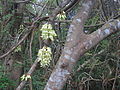 Mucuna birdwoodiana
 -
 Dolichos urens
 -
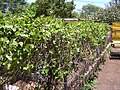 Mucuna urens
 -
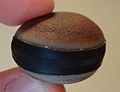 Hamburger Seed
 -
 Mucuna urens

Ad. Transform your health with W8MD Weight Loss, Sleep & MedSpa

Tired of being overweight?
Special offer:
Budget GLP-1 weight loss medications
- Semaglutide starting from $29.99/week and up with insurance for visit of $59.99 and up per week self pay.
- Tirzepatide starting from $45.00/week and up (dose dependent) or $69.99/week and up self pay
✔ Same-week appointments, evenings & weekends
Learn more:
- GLP-1 weight loss clinic NYC
- W8MD's NYC medical weight loss
- W8MD Philadelphia GLP-1 shots
- Philadelphia GLP-1 injections
- Affordable GLP-1 shots NYC
|
WikiMD Medical Encyclopedia |
Medical Disclaimer: WikiMD is for informational purposes only and is not a substitute for professional medical advice. Content may be inaccurate or outdated and should not be used for diagnosis or treatment. Always consult your healthcare provider for medical decisions. Verify information with trusted sources such as CDC.gov and NIH.gov. By using this site, you agree that WikiMD is not liable for any outcomes related to its content. See full disclaimer.
Credits:Most images are courtesy of Wikimedia commons, and templates, categories Wikipedia, licensed under CC BY SA or similar.
Translate this page: - East Asian
中文,
日本,
한국어,
South Asian
हिन्दी,
தமிழ்,
తెలుగు,
Urdu,
ಕನ್ನಡ,
Southeast Asian
Indonesian,
Vietnamese,
Thai,
မြန်မာဘာသာ,
বাংলা
European
español,
Deutsch,
français,
Greek,
português do Brasil,
polski,
română,
русский,
Nederlands,
norsk,
svenska,
suomi,
Italian
Middle Eastern & African
عربى,
Turkish,
Persian,
Hebrew,
Afrikaans,
isiZulu,
Kiswahili,
Other
Bulgarian,
Hungarian,
Czech,
Swedish,
മലയാളം,
मराठी,
ਪੰਜਾਬੀ,
ગુજરાતી,
Portuguese,
Ukrainian
