Exophiala
Exophiala is a genus of fungi that belongs to the family Herpotrichiellaceae. This genus is known for its black yeast-like fungi, which are commonly found in the environment, particularly in wet or damp areas. Some species of Exophiala are pathogenic to humans and can cause a variety of diseases, collectively known as phaeohyphomycosis.
Characteristics
Exophiala species are characterized by their darkly pigmented, yeast-like cells. They reproduce asexually through the production of conidia, which are borne on elongated, often branched conidiophores. The conidia are typically dark in color and have a smooth or slightly roughened surface.
Habitat and Ecology
Exophiala species are ubiquitous in the environment. They are commonly found in wet or damp areas, such as bathrooms, saunas, and swimming pools. They can also be found in soil, plant debris, and even in the mucus of healthy individuals.
Pathogenicity
Some species of Exophiala, such as Exophiala dermatitidis and Exophiala jeanselmei, are pathogenic to humans. They can cause a variety of diseases, collectively known as phaeohyphomycosis. These diseases can range from mild skin infections to severe systemic infections, particularly in immunocompromised individuals.
Diagnosis and Treatment
Diagnosis of Exophiala infections is typically made through the identification of the characteristic darkly pigmented yeast-like cells in clinical specimens. Treatment usually involves the use of antifungal medications, such as itraconazole or amphotericin B. However, Exophiala infections can be difficult to treat due to the inherent resistance of these fungi to many antifungal drugs.
See Also

Exophiala
-
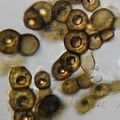 Exophiala phaeomuriformis

Ad. Transform your life with W8MD's
GLP-1 weight loss injections special from $29.99 with insurance
|
WikiMD Medical Encyclopedia |
Medical Disclaimer: WikiMD is for informational purposes only and is not a substitute for professional medical advice. Content may be inaccurate or outdated and should not be used for diagnosis or treatment. Always consult your healthcare provider for medical decisions. Verify information with trusted sources such as CDC.gov and NIH.gov. By using this site, you agree that WikiMD is not liable for any outcomes related to its content. See full disclaimer.
Credits:Most images are courtesy of Wikimedia commons, and templates, categories Wikipedia, licensed under CC BY SA or similar.
Translate this page: - East Asian
中文,
日本,
한국어,
South Asian
हिन्दी,
தமிழ்,
తెలుగు,
Urdu,
ಕನ್ನಡ,
Southeast Asian
Indonesian,
Vietnamese,
Thai,
မြန်မာဘာသာ,
বাংলা
European
español,
Deutsch,
français,
Greek,
português do Brasil,
polski,
română,
русский,
Nederlands,
norsk,
svenska,
suomi,
Italian
Middle Eastern & African
عربى,
Turkish,
Persian,
Hebrew,
Afrikaans,
isiZulu,
Kiswahili,
Other
Bulgarian,
Hungarian,
Czech,
Swedish,
മലയാളം,
मराठी,
ਪੰਜਾਬੀ,
ગુજરાતી,
Portuguese,
Ukrainian
