Carotenosis
A condition characterized by yellow-orange skin discoloration due to high levels of carotenoids
| Carotenosis | |
|---|---|
| Carotenoderma Nose.jpg | |
| Synonyms | N/A |
| Pronounce | N/A |
| Specialty | N/A |
| Symptoms | Yellow-orange skin discoloration |
| Complications | N/A |
| Onset | N/A |
| Duration | N/A |
| Types | N/A |
| Causes | Excessive consumption of carotenoid-rich foods |
| Risks | N/A |
| Diagnosis | N/A |
| Differential diagnosis | N/A |
| Prevention | N/A |
| Treatment | Dietary modification |
| Medication | N/A |
| Prognosis | N/A |
| Frequency | N/A |
| Deaths | N/A |
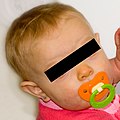
Carotenosis is a condition characterized by a yellow-orange discoloration of the skin, resulting from elevated levels of carotenoids in the body. Carotenoids are pigments found in various fruits and vegetables, such as carrots, sweet potatoes, and pumpkins. This condition is also known as carotenoderma.
Causes[edit]
Carotenosis is primarily caused by the excessive consumption of foods rich in carotenoids, particularly beta-carotene. The body converts beta-carotene into vitamin A, but when consumed in large amounts, the excess carotenoids are deposited in the skin, leading to the characteristic discoloration. Unlike jaundice, which also causes yellowing of the skin, carotenosis does not affect the sclerae (whites of the eyes).
Symptoms[edit]
The main symptom of carotenosis is a yellow-orange tint to the skin, most noticeable on the palms of the hands, soles of the feet, and nasolabial folds. The discoloration is more pronounced in areas with thicker skin. Carotenosis is a benign condition and does not cause any other symptoms or health issues.
Diagnosis[edit]
Diagnosis of carotenosis is primarily clinical, based on the appearance of the skin and dietary history. It is important to differentiate carotenosis from other causes of skin discoloration, such as jaundice, which can indicate liver disease. Blood tests may be conducted to rule out elevated bilirubin levels, which are indicative of jaundice.
Treatment[edit]
The treatment for carotenosis involves reducing the intake of carotenoid-rich foods. Once dietary intake is adjusted, the skin discoloration typically resolves over several weeks to months as the excess carotenoids are metabolized and excreted by the body.
Prevention[edit]
To prevent carotenosis, individuals should consume a balanced diet that includes a variety of fruits and vegetables, without over-relying on those high in carotenoids. Moderation is key to maintaining healthy skin coloration.
Also see[edit]
References[edit]
Carotenosis[edit]
-
 Carotenosis

Ad. Transform your health with W8MD Weight Loss, Sleep & MedSpa

Tired of being overweight?
Special offer:
Budget GLP-1 weight loss medications
- Semaglutide starting from $29.99/week and up with insurance for visit.
- Tirzepatide starting from $45.00/week and up (dose dependent)
✔ Same-week appointments, evenings & weekends
Learn more:
Start your transformation today with W8MD weight loss centers.
|
WikiMD Medical Encyclopedia |
Medical Disclaimer: WikiMD is for informational purposes only and is not a substitute for professional medical advice. Content may be inaccurate or outdated and should not be used for diagnosis or treatment. Always consult your healthcare provider for medical decisions. Verify information with trusted sources such as CDC.gov and NIH.gov. By using this site, you agree that WikiMD is not liable for any outcomes related to its content. See full disclaimer.
Credits:Most images are courtesy of Wikimedia commons, and templates, categories Wikipedia, licensed under CC BY SA or similar.
Translate this page: - East Asian
中文,
日本,
한국어,
South Asian
हिन्दी,
தமிழ்,
తెలుగు,
Urdu,
ಕನ್ನಡ,
Southeast Asian
Indonesian,
Vietnamese,
Thai,
မြန်မာဘာသာ,
বাংলা
European
español,
Deutsch,
français,
Greek,
português do Brasil,
polski,
română,
русский,
Nederlands,
norsk,
svenska,
suomi,
Italian
Middle Eastern & African
عربى,
Turkish,
Persian,
Hebrew,
Afrikaans,
isiZulu,
Kiswahili,
Other
Bulgarian,
Hungarian,
Czech,
Swedish,
മലയാളം,
मराठी,
ਪੰਜਾਬੀ,
ગુજરાતી,
Portuguese,
Ukrainian
