Barefoot doctor
Barefoot doctor refers to a type of health care provider who was part of a national healthcare initiative in the People's Republic of China, starting in the late 1960s and continuing into the 1970s. The program aimed to address the scarcity of professional healthcare in rural areas by training farmers with basic medical skills and knowledge in traditional Chinese medicine (TCM) and preventive healthcare. These individuals, known as "barefoot doctors," played a crucial role in improving health outcomes in rural Chinese communities.
History[edit]
The barefoot doctor program was a component of the Cultural Revolution's broader effort to promote healthcare accessibility and integrate Western and Chinese medicine. The term "barefoot" was symbolic, reflecting the program's focus on rural peasants who often worked barefoot in the fields. The initiative was part of China's attempt to meet the Declaration of Alma-Ata's goals, which emphasized health as a fundamental human right and called for the development of primary healthcare as a means to achieve "Health for All."
Training and Responsibilities[edit]
Barefoot doctors underwent short, intensive training sessions that covered a range of topics, including basic Western medicine, traditional Chinese medicine, midwifery, and epidemiology. Their education emphasized practical skills and preventive measures, enabling them to treat common illnesses, administer vaccinations, and provide basic maternal and child healthcare services.
In addition to their medical duties, barefoot doctors were responsible for educating their communities about public health practices, such as sanitation, nutrition, and family planning. They played a key role in the dissemination of health information and the promotion of healthy lifestyles.
Impact[edit]
The barefoot doctor program significantly improved healthcare accessibility in rural China, contributing to notable improvements in public health indicators, including a reduction in the prevalence of infectious diseases and an increase in life expectancy. The program also served as a model for similar initiatives in other developing countries, highlighting the potential of community-based healthcare delivery systems.
Decline and Legacy[edit]
In the early 1980s, with economic reforms and the introduction of market principles into the healthcare system, the barefoot doctor program began to decline. The shift towards a fee-for-service model eroded the foundation of the program, leading to a decrease in the number of barefoot doctors and an increase in healthcare disparities between urban and rural areas.
Despite its decline, the legacy of the barefoot doctor program endures. It demonstrated the effectiveness of integrating traditional and Western medicine and highlighted the importance of community health workers in improving access to healthcare. The program's principles continue to influence public health strategies, particularly in resource-limited settings.
See Also[edit]
-
 Barefoot doctor performing acupuncture
 -
 Chinese country doctor and plaster seller
 -
 1966 Hunan Province medical team in rural Xiangxi
 -
 Tteum (moxibustion)
 -
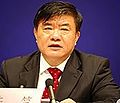 Chen Zhu
 -
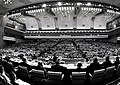 International conference on Primary Health Care, Almaty, 1978
 -
 Médecins aux pieds nus


_2.jpg)


Ad. Transform your health with W8MD Weight Loss, Sleep & MedSpa
Tired of being overweight?
Get started with evidence based, physician-supervised
affordable GLP-1 weight loss injections
Now available in New York City and Philadelphia:
- Semaglutide starting from $59.99/week and up
- Tirzepatide starting from $69.99/week and up (dose dependent)
✔ Evidence-based medical weight loss ✔ Insurance-friendly visits available ✔ Same-week appointments, evenings & weekends
Learn more:
Start your transformation today with W8MD weight loss centers.
|
WikiMD Medical Encyclopedia |
Medical Disclaimer: WikiMD is for informational purposes only and is not a substitute for professional medical advice. Content may be inaccurate or outdated and should not be used for diagnosis or treatment. Always consult your healthcare provider for medical decisions. Verify information with trusted sources such as CDC.gov and NIH.gov. By using this site, you agree that WikiMD is not liable for any outcomes related to its content. See full disclaimer.
Credits:Most images are courtesy of Wikimedia commons, and templates, categories Wikipedia, licensed under CC BY SA or similar.
Translate this page: - East Asian
中文,
日本,
한국어,
South Asian
हिन्दी,
தமிழ்,
తెలుగు,
Urdu,
ಕನ್ನಡ,
Southeast Asian
Indonesian,
Vietnamese,
Thai,
မြန်မာဘာသာ,
বাংলা
European
español,
Deutsch,
français,
Greek,
português do Brasil,
polski,
română,
русский,
Nederlands,
norsk,
svenska,
suomi,
Italian
Middle Eastern & African
عربى,
Turkish,
Persian,
Hebrew,
Afrikaans,
isiZulu,
Kiswahili,
Other
Bulgarian,
Hungarian,
Czech,
Swedish,
മലയാളം,
मराठी,
ਪੰਜਾਬੀ,
ગુજરાતી,
Portuguese,
Ukrainian
