Berberine
Berberine is a quinoline derivative, a type of alkaloid found in several plants including goldenseal, barberry, tree turmeric, and Oregon grape. It is yellow in color and often used as a dye. Berberine is known for its potential therapeutic properties, particularly in the treatment of diabetes, cardiovascular disease, and inflammation.
Chemical Structure[edit]
Berberine is a benzylisoquinoline alkaloid with the chemical formula C20H18NO4+. It has a planar structure and is usually found in its salt form, berberine hydrochloride.
Sources[edit]
Berberine is found in the roots, rhizomes, stems, and bark of several plants including:
- Berberis vulgaris (barberry)
- Hydrastis canadensis (goldenseal)
- Coptis chinensis (Chinese goldthread)
- Berberis aquifolium (Oregon grape)
- Phellodendron amurense (Amur cork tree)
Pharmacology[edit]
Berberine has been shown to have multiple pharmacological effects. It has antimicrobial properties, and has been used in traditional medicine to treat various infections. Berberine also has anti-inflammatory and antioxidant effects, and may help to protect against neurodegenerative diseases.
Clinical Uses[edit]
Berberine has been used in traditional medicine for thousands of years, and modern research has begun to support some of these uses. It has been found to be effective in the treatment of type 2 diabetes, by reducing blood sugar levels and improving insulin sensitivity. Berberine may also have benefits for heart health, by reducing cholesterol levels and lowering blood pressure.
Safety and Side Effects[edit]
While berberine is generally considered safe, it can cause side effects such as nausea, diarrhea, and stomach cramps. It may also interact with certain medications, so it's important to talk to a healthcare provider before starting berberine.
See Also[edit]

-
 Berberin
 -
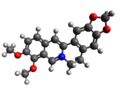 Berberine 3D
 -
 Biosynthesis of berberine


Ad. Transform your health with W8MD Weight Loss, Sleep & MedSpa

Tired of being overweight?
Special offer:
Budget GLP-1 weight loss medications
- Semaglutide starting from $29.99/week and up with insurance for visit of $59.99 and up per week self pay.
- Tirzepatide starting from $45.00/week and up (dose dependent) or $69.99/week and up self pay
✔ Same-week appointments, evenings & weekends
Learn more:
- GLP-1 weight loss clinic NYC
- W8MD's NYC medical weight loss
- W8MD Philadelphia GLP-1 shots
- Philadelphia GLP-1 injections
- Affordable GLP-1 shots NYC
|
WikiMD Medical Encyclopedia |
Medical Disclaimer: WikiMD is for informational purposes only and is not a substitute for professional medical advice. Content may be inaccurate or outdated and should not be used for diagnosis or treatment. Always consult your healthcare provider for medical decisions. Verify information with trusted sources such as CDC.gov and NIH.gov. By using this site, you agree that WikiMD is not liable for any outcomes related to its content. See full disclaimer.
Credits:Most images are courtesy of Wikimedia commons, and templates, categories Wikipedia, licensed under CC BY SA or similar.
Translate this page: - East Asian
中文,
日本,
한국어,
South Asian
हिन्दी,
தமிழ்,
తెలుగు,
Urdu,
ಕನ್ನಡ,
Southeast Asian
Indonesian,
Vietnamese,
Thai,
မြန်မာဘာသာ,
বাংলা
European
español,
Deutsch,
français,
Greek,
português do Brasil,
polski,
română,
русский,
Nederlands,
norsk,
svenska,
suomi,
Italian
Middle Eastern & African
عربى,
Turkish,
Persian,
Hebrew,
Afrikaans,
isiZulu,
Kiswahili,
Other
Bulgarian,
Hungarian,
Czech,
Swedish,
മലയാളം,
मराठी,
ਪੰਜਾਬੀ,
ગુજરાતી,
Portuguese,
Ukrainian
