Instruments used in anesthesiology
Instruments used in Anesthesiology
Anesthesiology is a branch of medicine that focuses on the relief of pain and total care of the surgical patient before, during, and after surgery. It encompasses anesthesia, intensive care medicine, critical emergency medicine, and pain medicine. A variety of instruments are used in anesthesiology, each with a specific purpose and function.
Anesthesia Machine
The Anesthesia Machine is the central piece of equipment in an anesthesiologist's arsenal. It delivers a mixture of gases (oxygen, nitrous oxide, and anesthetic gases) to the patient to induce a state of unconsciousness or controlled sedation. The machine also monitors the patient's vital signs and provides mechanical ventilation.
Laryngoscope
A Laryngoscope is a medical instrument used for obtaining a view of the vocal folds and the glottis. It is crucial in the placement of an endotracheal tube during general anesthesia.
Endotracheal Tube
The Endotracheal Tube is a flexible plastic tube that is placed into the trachea (windpipe) to maintain an open airway or to deliver oxygen, anesthetic gases, or other substances to the lungs.
Pulse Oximeter
A Pulse Oximeter is a non-invasive device that measures the oxygen saturation of a patient's blood. It is an important tool in monitoring the patient's oxygenation status during anesthesia.
Capnograph
A Capnograph is a device that measures the concentration of carbon dioxide in the patient's exhaled air. It provides information about the patient's ventilatory status and is essential in monitoring the patient's respiratory status during anesthesia.
Peripheral Nerve Stimulator
A Peripheral Nerve Stimulator is used to monitor the depth of neuromuscular blockade during general anesthesia. It delivers small electrical currents to a peripheral nerve and measures the response of the muscle supplied by that nerve.
Anesthesia Information Management System (AIMS)
An Anesthesia Information Management System (AIMS) is a computerized system that collects, stores, and displays patient data during anesthesia. It aids in documentation, billing, research, and quality improvement.
Conclusion
The instruments used in anesthesiology are vital in ensuring the safety and comfort of patients undergoing surgical procedures. They allow anesthesiologists to monitor and control the patient's physiological status, deliver anesthetic agents, and manage any complications that may arise.

This article is a Anesthesia-related stub. You can help WikiMD by expanding it!
-
 Bag valve mask
 -
 Latex-free project
 -
 Instruments used in anesthesiology
 -
 Laryngoscope
 -
 Tracheostomy tube
 -
 Tuohy needle
 -
 Flexible endoscope
 -
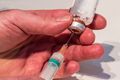 Syringe
 -
 Epidural kit
 -
 Spinal needles
 -
Non-Kink Catheter Mount


Ad. Transform your life with W8MD's
GLP-1 weight loss injections special from $29.99


W8MD Medical Weight Loss, Sleep and Medspa offers physician-supervised medical weight loss programs: NYC medical weight loss Philadelphia medical weight loss
Affordable GLP-1 Weight Loss ShotsAffordable GLP-1 Weight Loss Shots
Budget GLP-1 injections NYC (insurance & self-pay options) Popular treatments:
- Semaglutide starting from $29.99/week
- Tirzepatide starting from $45.00/week
✔ Most insurances accepted for visits ✔ Prior authorization support when eligible
Start your physician weight loss NYC journey today:
📍 NYC: Brooklyn weight loss center 📍 Philadelphia: Philadelphia weight loss center
📞 Call: 718-946-5500 (NYC) | 215-676-2334 (Philadelphia)
Tags: Affordable GLP1 weight loss NYC, Wegovy NYC, Zepbound NYC, Philadelphia medical weight loss


|
WikiMD Medical Encyclopedia |
Medical Disclaimer: WikiMD is not a substitute for professional medical advice. The information on WikiMD is provided as an information resource only, may be incorrect, outdated or misleading, and is not to be used or relied on for any diagnostic or treatment purposes. Please consult your health care provider before making any healthcare decisions or for guidance about a specific medical condition. WikiMD expressly disclaims responsibility, and shall have no liability, for any damages, loss, injury, or liability whatsoever suffered as a result of your reliance on the information contained in this site. By visiting this site you agree to the foregoing terms and conditions, which may from time to time be changed or supplemented by WikiMD. If you do not agree to the foregoing terms and conditions, you should not enter or use this site. See full disclaimer.
Credits:Most images are courtesy of Wikimedia commons, and templates, categories Wikipedia, licensed under CC BY SA or similar.
Translate this page: - East Asian
中文,
日本,
한국어,
South Asian
हिन्दी,
தமிழ்,
తెలుగు,
Urdu,
ಕನ್ನಡ,
Southeast Asian
Indonesian,
Vietnamese,
Thai,
မြန်မာဘာသာ,
বাংলা
European
español,
Deutsch,
français,
Greek,
português do Brasil,
polski,
română,
русский,
Nederlands,
norsk,
svenska,
suomi,
Italian
Middle Eastern & African
عربى,
Turkish,
Persian,
Hebrew,
Afrikaans,
isiZulu,
Kiswahili,
Other
Bulgarian,
Hungarian,
Czech,
Swedish,
മലയാളം,
मराठी,
ਪੰਜਾਬੀ,
ગુજરાતી,
Portuguese,
Ukrainian

