Wearable technology
Wearable technology, often referred to as wearables, encompasses a broad category of electronic devices designed to be worn on the body, either as an accessory or as part of the material used in clothing. These devices have gained popularity for their ability to connect to the internet, enabling them to exchange data with a network and other devices without requiring human intervention. The primary purpose of wearable technology is to provide users with smart and advanced features directly from their body, offering convenience, health monitoring, and enhanced experiences in daily activities.
Overview[edit]
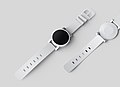
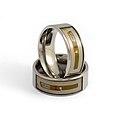
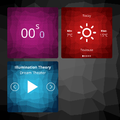
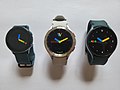
Wearable technology has evolved significantly since its inception, with advancements in miniaturization and wireless connectivity fostering a new generation of devices. These include smartwatches, fitness trackers, smart glasses, and wearable cameras, among others. Each device serves different functions, from tracking physical activity and health metrics to providing augmented reality experiences and facilitating communication.
Health and Fitness[edit]
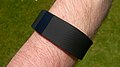
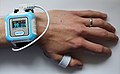
One of the most prominent applications of wearable technology is in the health and fitness industry. Devices such as fitness trackers and smartwatches are equipped with sensors that monitor physical activity, heart rate, sleep patterns, and even blood oxygen levels. This information is invaluable for individuals looking to maintain or improve their physical health, offering insights and data that can inform lifestyle changes and fitness routines.
Smart Clothing[edit]
Another emerging category within wearable technology is smart clothing. These garments integrate electronic components and connectivity to offer unique features such as climate control, health monitoring, and even gesture control for other devices. Smart clothing represents the next step in the evolution of wearables, merging fashion with technology to create garments that are both functional and stylish.
Challenges and Considerations[edit]
Despite the benefits, wearable technology faces several challenges, including privacy concerns, data security, and the need for continuous power supply. The collection and transmission of personal data pose significant privacy risks, necessitating robust security measures to protect user information. Additionally, as these devices are worn throughout the day, ensuring they remain powered without frequent recharging is a critical design consideration.
Future Directions[edit]
The future of wearable technology is poised for further innovation, with research focusing on improving battery life, enhancing data security, and integrating new sensors to monitor a wider range of health metrics. Additionally, the development of more sophisticated smart clothing and the integration of wearables with the Internet of Things (IoT) promise to expand the capabilities and applications of these devices.
See Also[edit]

References[edit]
<references/>
External Links[edit]

-
 Wearable technology
 -
 Wearable technology
 -
 Wearable technology
 -
 Wearable technology
 -
 Wearable technology
 -
 Wearable technology
 -
 Wearable technology
 -
 Wearable technology
 -
 Wearable technology
 -
 Wearable technology
 -
 Wearable technology
 -
 Wearable technology


.jpg)


Ad. Transform your health with W8MD Weight Loss, Sleep & MedSpa

Tired of being overweight?
Special offer:
Budget GLP-1 weight loss medications
- Semaglutide starting from $29.99/week and up with insurance for visit of $59.99 and up per week self pay.
- Tirzepatide starting from $45.00/week and up (dose dependent) or $69.99/week and up self pay
✔ Same-week appointments, evenings & weekends
Learn more:
- GLP-1 weight loss clinic NYC
- W8MD's NYC medical weight loss
- W8MD Philadelphia GLP-1 shots
- Philadelphia GLP-1 injections
- Affordable GLP-1 shots NYC
|
WikiMD Medical Encyclopedia |
Medical Disclaimer: WikiMD is for informational purposes only and is not a substitute for professional medical advice. Content may be inaccurate or outdated and should not be used for diagnosis or treatment. Always consult your healthcare provider for medical decisions. Verify information with trusted sources such as CDC.gov and NIH.gov. By using this site, you agree that WikiMD is not liable for any outcomes related to its content. See full disclaimer.
Credits:Most images are courtesy of Wikimedia commons, and templates, categories Wikipedia, licensed under CC BY SA or similar.
Translate this page: - East Asian
中文,
日本,
한국어,
South Asian
हिन्दी,
தமிழ்,
తెలుగు,
Urdu,
ಕನ್ನಡ,
Southeast Asian
Indonesian,
Vietnamese,
Thai,
မြန်မာဘာသာ,
বাংলা
European
español,
Deutsch,
français,
Greek,
português do Brasil,
polski,
română,
русский,
Nederlands,
norsk,
svenska,
suomi,
Italian
Middle Eastern & African
عربى,
Turkish,
Persian,
Hebrew,
Afrikaans,
isiZulu,
Kiswahili,
Other
Bulgarian,
Hungarian,
Czech,
Swedish,
മലയാളം,
मराठी,
ਪੰਜਾਬੀ,
ગુજરાતી,
Portuguese,
Ukrainian
