Windsurfing
Windsurfing[edit]
Windsurfing is a surface water sport that combines elements of both sailing and surfing. It involves riding a board, similar to a surfboard, which is powered by a sail. Windsurfing can be enjoyed in various bodies of water, including oceans, lakes, and rivers, and is popular among both recreational enthusiasts and professional athletes.
History[edit]
Windsurfing as a sport originated in the late 1960s and early 1970s. It was invented by a combination of different individuals who contributed to the development of the sport. Jim Drake, an aeronautical engineer, and Hoyle Schweitzer, a surfer, are often credited as the inventors of windsurfing. They created the first prototype of a windsurfing board, which consisted of a surfboard with a sail attached to it. This invention revolutionized water sports and opened up new possibilities for sailing enthusiasts.
Equipment[edit]
Windsurfing equipment consists of a board, a sail, and a mast. The board is typically made of lightweight materials such as fiberglass or carbon fiber, and it is designed to provide stability and maneuverability on the water. The sail is attached to the mast, which is connected to the board. The size of the sail can vary depending on the wind conditions and the skill level of the windsurfer. Additionally, windsurfers wear a harness that allows them to control the sail and maintain balance while riding the board.
Techniques and Skills[edit]
Windsurfing requires a combination of balance, coordination, and skill. There are various techniques and skills that windsurfers need to master in order to navigate the water effectively. These include:
- Rigging: Setting up the sail and attaching it to the mast and board. - Tacking: Changing direction by turning the board into the wind. - Jibing: Changing direction by turning the board away from the wind. - Planing: Riding the board on the water's surface at high speeds. - Carving: Making smooth turns by shifting weight and adjusting the sail.
Competitions[edit]
Windsurfing competitions are held at both national and international levels. The sport is governed by the International Windsurfing Association (IWA) and the International Sailing Federation (ISAF). There are various disciplines within windsurfing competitions, including slalom, freestyle, wave riding, and course racing. These competitions showcase the skills and abilities of professional windsurfers, who perform impressive maneuvers and tricks on the water.
Benefits[edit]
Windsurfing offers numerous benefits for both physical and mental well-being. It is a great form of exercise that helps improve cardiovascular fitness, strength, and flexibility. The constant balancing and maneuvering on the board also engage the core muscles, enhancing stability and coordination. Additionally, windsurfing provides an opportunity to connect with nature and enjoy the serenity of being on the water, which can have a positive impact on mental health and overall well-being.
Safety[edit]
As with any water sport, safety is of utmost importance in windsurfing. It is essential to wear a life jacket or personal flotation device (PFD) at all times while on the water. Additionally, windsurfers should be aware of weather conditions and wind strength before heading out. It is recommended to take lessons from certified instructors to learn proper techniques and safety guidelines. Being mindful of other water users and respecting local regulations and guidelines also contribute to a safe windsurfing experience.
See Also[edit]
References[edit]
<references />
-
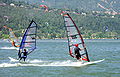 Windsurfing
 -
Windsurfing
-
Windsurfing
-
Windsurfing
-
Windsurfing
-
Windsurfing
-
Windsurfing
-
Windsurfing
-
 Windsurfing
 -
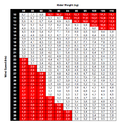 Windsurfing
 -
 Windsurfing


Ad. Transform your health with W8MD Weight Loss, Sleep & MedSpa

Tired of being overweight?
Special offer:
Budget GLP-1 weight loss medications
- Semaglutide starting from $29.99/week and up with insurance for visit of $59.99 and up per week self pay.
- Tirzepatide starting from $45.00/week and up (dose dependent) or $69.99/week and up self pay
✔ Same-week appointments, evenings & weekends
Learn more:
- GLP-1 weight loss clinic NYC
- W8MD's NYC medical weight loss
- W8MD Philadelphia GLP-1 shots
- Philadelphia GLP-1 injections
- Affordable GLP-1 shots NYC
|
WikiMD Medical Encyclopedia |
Medical Disclaimer: WikiMD is for informational purposes only and is not a substitute for professional medical advice. Content may be inaccurate or outdated and should not be used for diagnosis or treatment. Always consult your healthcare provider for medical decisions. Verify information with trusted sources such as CDC.gov and NIH.gov. By using this site, you agree that WikiMD is not liable for any outcomes related to its content. See full disclaimer.
Credits:Most images are courtesy of Wikimedia commons, and templates, categories Wikipedia, licensed under CC BY SA or similar.
Translate this page: - East Asian
中文,
日本,
한국어,
South Asian
हिन्दी,
தமிழ்,
తెలుగు,
Urdu,
ಕನ್ನಡ,
Southeast Asian
Indonesian,
Vietnamese,
Thai,
မြန်မာဘာသာ,
বাংলা
European
español,
Deutsch,
français,
Greek,
português do Brasil,
polski,
română,
русский,
Nederlands,
norsk,
svenska,
suomi,
Italian
Middle Eastern & African
عربى,
Turkish,
Persian,
Hebrew,
Afrikaans,
isiZulu,
Kiswahili,
Other
Bulgarian,
Hungarian,
Czech,
Swedish,
മലയാളം,
मराठी,
ਪੰਜਾਬੀ,
ગુજરાતી,
Portuguese,
Ukrainian


