Cowpea
Cowpea (Vigna unguiculata) is a legume widely cultivated for its edible beans, which are a staple food in many parts of the world, particularly in Africa, South America, and Southeast Asia. It is known by various names, including black-eyed pea, southern pea, and crowder pea. The cowpea plant is resilient and can thrive in poor soil conditions, making it an important crop for subsistence farmers.
Description[edit]
The cowpea plant is an annual herb that grows up to 24 inches in height, depending on the variety. It has a deep root system which makes it drought-tolerant and suitable for arid regions. The leaves are trifoliate, composed of three oval leaflets. Cowpea flowers are small, usually white or purple, leading to the development of long, slender pods containing the peas.
Nutritional Value[edit]
Cowpeas are rich in protein, dietary fiber, and various vitamins and minerals, including vitamin B1 (thiamine), vitamin B2 (riboflavin), vitamin B3 (niacin), vitamin B6, folate, magnesium, iron, potassium, and zinc. This makes them an excellent dietary component for improving nutrition, particularly in regions where malnutrition is prevalent.
Cultivation[edit]
Cowpeas are grown in a variety of environments and are remarkably adaptable to different soil types, though they prefer well-drained soils. They are planted during the warm season and can be harvested 60 to 90 days after planting. Cowpeas can be intercropped with other crops, such as maize and sorghum, which helps to maximize the use of land and resources.
Uses[edit]
Cowpeas can be consumed in various forms; they can be eaten fresh, dried, or processed. The leaves, pods, and peas are all edible. In many cultures, cowpeas are used in traditional dishes. The dried peas can be boiled, fried, or ground into flour. Cowpea leaves are also consumed as a green vegetable, providing an additional source of nutrition.
Economic Importance[edit]
Cowpeas play a significant role in the livelihoods of many smallholder farmers. They are not only a source of food but also provide income through local and regional trade. Additionally, cowpeas can improve soil fertility through nitrogen fixation, reducing the need for chemical fertilizers and enhancing sustainable agricultural practices.
Challenges[edit]
Despite their resilience, cowpea crops can be affected by various pests and diseases, such as aphids, mites, and fungal infections. Research and development of pest-resistant cowpea varieties and sustainable pest management practices are crucial for improving cowpea production.
Conclusion[edit]
Cowpeas are a vital crop for food security and sustainable agriculture in many parts of the world. Their adaptability to harsh conditions, nutritional value, and multiple uses make them an important resource for improving livelihoods and nutrition.

This article is a agriculture stub. You can help WikiMD by expanding it!
-
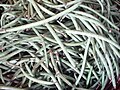 Cowpea
 -
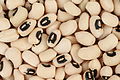 Black-eyed peas
 -
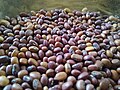 Sea Island red peas
 -
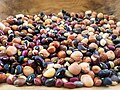 Vigna unguiculata varieties
 -
 Black-eyed pea pods on plant in Hong Kong
 -
 Wild and cultivated cowpea
 -
 Maruca vitrata (Crambidae Pyraustinae)
 -
 Cowpea bean varieties infested with weevils
 -
 Hoppin' John bowl


.jpg)
.jpg)


Ad. Transform your health with W8MD Weight Loss, Sleep & MedSpa

Tired of being overweight?
Special offer:
Budget GLP-1 weight loss medications
- Semaglutide starting from $29.99/week and up with insurance for visit of $59.99 and up per week self pay.
- Tirzepatide starting from $45.00/week and up (dose dependent) or $69.99/week and up self pay
✔ Same-week appointments, evenings & weekends
Learn more:
- GLP-1 weight loss clinic NYC
- W8MD's NYC medical weight loss
- W8MD Philadelphia GLP-1 shots
- Philadelphia GLP-1 injections
- Affordable GLP-1 shots NYC
|
WikiMD Medical Encyclopedia |
Medical Disclaimer: WikiMD is for informational purposes only and is not a substitute for professional medical advice. Content may be inaccurate or outdated and should not be used for diagnosis or treatment. Always consult your healthcare provider for medical decisions. Verify information with trusted sources such as CDC.gov and NIH.gov. By using this site, you agree that WikiMD is not liable for any outcomes related to its content. See full disclaimer.
Credits:Most images are courtesy of Wikimedia commons, and templates, categories Wikipedia, licensed under CC BY SA or similar.
Translate this page: - East Asian
中文,
日本,
한국어,
South Asian
हिन्दी,
தமிழ்,
తెలుగు,
Urdu,
ಕನ್ನಡ,
Southeast Asian
Indonesian,
Vietnamese,
Thai,
မြန်မာဘာသာ,
বাংলা
European
español,
Deutsch,
français,
Greek,
português do Brasil,
polski,
română,
русский,
Nederlands,
norsk,
svenska,
suomi,
Italian
Middle Eastern & African
عربى,
Turkish,
Persian,
Hebrew,
Afrikaans,
isiZulu,
Kiswahili,
Other
Bulgarian,
Hungarian,
Czech,
Swedish,
മലയാളം,
मराठी,
ਪੰਜਾਬੀ,
ગુજરાતી,
Portuguese,
Ukrainian
