Pedicellaria
Pedicellariae are small pincer-like appendages found on Echinoderms, particularly within the classes of Asteroidea (starfish) and Echinoidea (sea urchins and sand dollars). These structures serve a variety of functions, including defense against predators, removal of debris, and capturing prey. Pedicellariae are unique to echinoderms and are a key feature distinguishing them from other marine invertebrates.
Structure and Function[edit]
Pedicellariae consist of a stalk (pedicel) and a terminal portion that can have one or more jaws. The complexity and morphology of pedicellariae can vary significantly among different species of echinoderms. They can be classified into several types based on their structure and function, including:
- Valvate pedicellariae: These have two jaws and are commonly found in sea urchins. They are primarily used for defense and cleaning the surface of the echinoderm.
- Triphyllous pedicellariae: Characterized by three jaws, these are often involved in capturing small prey and are typically seen in some starfish species.
- Ophicephalous pedicellariae: These have elongated, snake-like jaws and are used for grasping and immobilizing prey. They are most commonly found in certain sea urchins.
The movement of pedicellariae is controlled by a complex system of muscles and nerves, allowing them to open and close their jaws in response to stimuli. Some pedicellariae are also capable of releasing toxins to deter predators or capture prey.
Ecological Role[edit]
Pedicellariae play a crucial role in the survival and fitness of echinoderms. By removing debris and parasites from the surface of the echinoderm, they help prevent disease and maintain the health of the organism. Their defensive capabilities protect echinoderms from potential predators, while their ability to capture prey aids in feeding.
Evolutionary Significance[edit]
The presence of pedicellariae is a significant evolutionary adaptation among echinoderms. It reflects the diverse strategies these organisms have developed to survive and thrive in their marine environments. The variation in pedicellariae structure and function across different echinoderm species highlights the evolutionary pressures that have shaped these unique appendages.
Research and Studies[edit]
Pedicellariae have been the subject of various scientific studies, focusing on their morphology, biomechanics, and ecological roles. Researchers are particularly interested in understanding how pedicellariae contribute to the overall fitness of echinoderms and their adaptive strategies in marine ecosystems.

-
 Pedicellaria of Acanthaster planci
 -
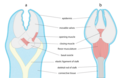 Pedicellaria Asteroid and Echinoid
 -
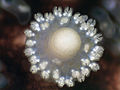 Asterias forbesi ring of pedicellaria around spine
 -
 Pedicellariae Mivart
 -
 Flower urchin by Vincent C Chen
 -
 Pedicellariae of Toxopneustes pileolus
 -
 Pedicellaria


Ad. Transform your life with W8MD's
GLP-1 weight loss injections special from $29.99 with insurance
|
WikiMD Medical Encyclopedia |
Medical Disclaimer: WikiMD is for informational purposes only and is not a substitute for professional medical advice. Content may be inaccurate or outdated and should not be used for diagnosis or treatment. Always consult your healthcare provider for medical decisions. Verify information with trusted sources such as CDC.gov and NIH.gov. By using this site, you agree that WikiMD is not liable for any outcomes related to its content. See full disclaimer.
Credits:Most images are courtesy of Wikimedia commons, and templates, categories Wikipedia, licensed under CC BY SA or similar.
Translate this page: - East Asian
中文,
日本,
한국어,
South Asian
हिन्दी,
தமிழ்,
తెలుగు,
Urdu,
ಕನ್ನಡ,
Southeast Asian
Indonesian,
Vietnamese,
Thai,
မြန်မာဘာသာ,
বাংলা
European
español,
Deutsch,
français,
Greek,
português do Brasil,
polski,
română,
русский,
Nederlands,
norsk,
svenska,
suomi,
Italian
Middle Eastern & African
عربى,
Turkish,
Persian,
Hebrew,
Afrikaans,
isiZulu,
Kiswahili,
Other
Bulgarian,
Hungarian,
Czech,
Swedish,
മലയാളം,
मराठी,
ਪੰਜਾਬੀ,
ગુજરાતી,
Portuguese,
Ukrainian
