Working animal
Working animal
A working animal is an animal that is trained to perform tasks to assist humans. These tasks can range from transportation, hunting, herding, guarding, and companionship. The use of animals for such purposes has been a part of human history since the dawn of civilization.
History[edit]
The history of working animals dates back to the Neolithic Revolution, when humans first began to domesticate animals. The first known working animals were likely dogs, which were used for hunting and guarding. As human societies developed and expanded, so did the variety of tasks that animals were trained to perform.
Types of Working Animals[edit]
There are many types of working animals, each with their own unique roles and responsibilities. Some of the most common types include:
- Dogs: Dogs are one of the most versatile working animals, with roles ranging from herding livestock, assisting the disabled, search and rescue, and police and military work.
- Horses: Horses have been used for transportation, farming, and warfare for thousands of years. They are also used in therapeutic riding programs.
- Elephants: In some parts of the world, elephants are used for heavy labor, such as logging and construction.
- Camels: Camels are used for transportation in desert regions, where their ability to go long periods without water is invaluable.
- Oxen: Oxen are used for plowing fields, hauling goods, and other heavy labor tasks.
Training and Care[edit]
Training a working animal requires a deep understanding of the animal's natural behaviors and instincts. This often involves positive reinforcement techniques and a lot of patience. The care of working animals is also of utmost importance. They must be provided with proper nutrition, medical care, and rest to ensure they can perform their tasks effectively and without undue stress.
Ethical Considerations[edit]
The use of working animals raises several ethical considerations. These include the animal's welfare, the conditions in which they work, and the potential for exploitation. Many countries have laws in place to protect the rights of working animals and ensure they are treated humanely.
See Also[edit]
.png)

-
 Bullock team
 -
 Traditional ploughing in Karnataka
 -
 Working animal in a quarry
 -
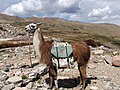 Lloyd the Llama
 -
 Mule in Morocco
 -
 Camel cart in Pushkar
 -
 Working animal in La Digue
 -
 Working animal


Ad. Transform your health with W8MD Weight Loss, Sleep & MedSpa

Tired of being overweight?
Special offer:
Budget GLP-1 weight loss medications
- Semaglutide starting from $29.99/week and up with insurance for visit of $59.99 and up per week self pay.
- Tirzepatide starting from $45.00/week and up (dose dependent) or $69.99/week and up self pay
✔ Same-week appointments, evenings & weekends
Learn more:
- GLP-1 weight loss clinic NYC
- W8MD's NYC medical weight loss
- W8MD Philadelphia GLP-1 shots
- Philadelphia GLP-1 injections
- Affordable GLP-1 shots NYC
|
WikiMD Medical Encyclopedia |
Medical Disclaimer: WikiMD is for informational purposes only and is not a substitute for professional medical advice. Content may be inaccurate or outdated and should not be used for diagnosis or treatment. Always consult your healthcare provider for medical decisions. Verify information with trusted sources such as CDC.gov and NIH.gov. By using this site, you agree that WikiMD is not liable for any outcomes related to its content. See full disclaimer.
Credits:Most images are courtesy of Wikimedia commons, and templates, categories Wikipedia, licensed under CC BY SA or similar.
Translate this page: - East Asian
中文,
日本,
한국어,
South Asian
हिन्दी,
தமிழ்,
తెలుగు,
Urdu,
ಕನ್ನಡ,
Southeast Asian
Indonesian,
Vietnamese,
Thai,
မြန်မာဘာသာ,
বাংলা
European
español,
Deutsch,
français,
Greek,
português do Brasil,
polski,
română,
русский,
Nederlands,
norsk,
svenska,
suomi,
Italian
Middle Eastern & African
عربى,
Turkish,
Persian,
Hebrew,
Afrikaans,
isiZulu,
Kiswahili,
Other
Bulgarian,
Hungarian,
Czech,
Swedish,
മലയാളം,
मराठी,
ਪੰਜਾਬੀ,
ગુજરાતી,
Portuguese,
Ukrainian
