Acute kidney injury
Acute kidney injury


Acute kidney injury (AKI), previously known as acute renal failure, is a sudden episode of kidney failure or kidney damage that happens within a few hours or a few days. It causes a build-up of waste products in the blood and makes it hard for the kidneys to maintain the right balance of fluid in the body.
Causes
AKI can be caused by a variety of factors, which are generally categorized into three main types:
Prerenal causes
Prerenal causes are due to decreased blood flow to the kidneys. This can occur due to severe dehydration, heart failure, or shock.
Intrinsic renal causes
Intrinsic renal causes are due to direct damage to the kidneys themselves. This can be due to inflammation, toxins, drugs, infection, or reduced blood supply.
Postrenal causes
Postrenal causes are due to obstruction of urine flow. This can occur due to kidney stones, tumors, or an enlarged prostate.
Symptoms
The symptoms of AKI can vary depending on the underlying cause and severity. Common symptoms include:
- Decreased urine output
- Swelling due to fluid retention
- Fatigue
- Shortness of breath
- Confusion
- Nausea
Diagnosis
Diagnosis of AKI is based on laboratory tests and imaging studies. Key diagnostic tests include:
- Blood urea nitrogen (BUN) and creatinine levels
- Urinalysis
- Ultrasonography


Treatment
Treatment of AKI focuses on addressing the underlying cause and supporting kidney function. This may include:
- Fluid management
- Medications to control blood pressure
- Dialysis in severe cases
Prognosis
The prognosis of AKI depends on the underlying cause and the promptness of treatment. Some patients recover completely, while others may develop chronic kidney disease.
Prevention
Preventive measures include:
- Adequate hydration
- Monitoring and managing chronic conditions such as diabetes and hypertension
- Avoiding nephrotoxic drugs when possible
Related pages
Gallery
-
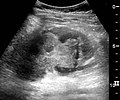 Ultrasonography of renal trauma with laceration

-
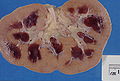 Acute cortical necrosis
 -
 Acute renal failure diagram
 -
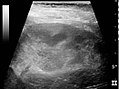 Ultrasonography of acute pyelonephritis
 -
 Ultrasonography of postoperative renal failure
 -
Ultrasonography of renal trauma with laceration
Ad. Transform your health with W8MD Weight Loss, Sleep & MedSpa

Tired of being overweight?
Special offer:
Budget GLP-1 weight loss medications
- Semaglutide starting from $29.99/week and up with insurance for visit of $59.99 and up per week self pay.
- Tirzepatide starting from $45.00/week and up (dose dependent) or $69.99/week and up self pay
✔ Same-week appointments, evenings & weekends
Learn more:
- GLP-1 weight loss clinic NYC
- W8MD's NYC medical weight loss
- W8MD Philadelphia GLP-1 shots
- Philadelphia GLP-1 injections
- Affordable GLP-1 shots NYC
|
WikiMD Medical Encyclopedia |
Medical Disclaimer: WikiMD is for informational purposes only and is not a substitute for professional medical advice. Content may be inaccurate or outdated and should not be used for diagnosis or treatment. Always consult your healthcare provider for medical decisions. Verify information with trusted sources such as CDC.gov and NIH.gov. By using this site, you agree that WikiMD is not liable for any outcomes related to its content. See full disclaimer.
Credits:Most images are courtesy of Wikimedia commons, and templates, categories Wikipedia, licensed under CC BY SA or similar.
Translate this page: - East Asian
中文,
日本,
한국어,
South Asian
हिन्दी,
தமிழ்,
తెలుగు,
Urdu,
ಕನ್ನಡ,
Southeast Asian
Indonesian,
Vietnamese,
Thai,
မြန်မာဘာသာ,
বাংলা
European
español,
Deutsch,
français,
Greek,
português do Brasil,
polski,
română,
русский,
Nederlands,
norsk,
svenska,
suomi,
Italian
Middle Eastern & African
عربى,
Turkish,
Persian,
Hebrew,
Afrikaans,
isiZulu,
Kiswahili,
Other
Bulgarian,
Hungarian,
Czech,
Swedish,
മലയാളം,
मराठी,
ਪੰਜਾਬੀ,
ગુજરાતી,
Portuguese,
Ukrainian
