Polygonatum
Polygonatum
Polygonatum is a genus of flowering plants in the family Asparagaceae, native to temperate regions of the Northern Hemisphere. These plants are commonly known as Solomon's seal due to the shape of their rhizomes resembling a seal impression. The genus Polygonatum includes around 50 species of herbaceous perennials that are valued for their ornamental qualities and medicinal properties.
Description: Polygonatum plants typically have arching stems with alternate leaves and pendulous, bell-shaped flowers that hang beneath the stems. The flowers are usually white or greenish-white in color and have a sweet fragrance. The plants produce berries that are often red or black when ripe.
Habitat and Distribution: Polygonatum species are found in diverse habitats, including woodlands, meadows, and mountain slopes. They are distributed across Europe, Asia, and North America, with some species being endemic to specific regions.
Cultivation and Uses: Polygonatum plants are popular in gardens for their elegant appearance and ability to thrive in shady areas. They are often grown for their attractive foliage and delicate flowers, which add a touch of beauty to woodland gardens and shaded borders. Some species, such as Polygonatum odoratum, are also used in traditional medicine for their purported health benefits.
Medicinal Properties: Polygonatum plants have a long history of medicinal use in various cultures. The rhizomes and roots of some species contain bioactive compounds that are believed to have anti-inflammatory, antioxidant, and immune-boosting properties. In traditional Chinese medicine, Polygonatum is known as Huang Jing and is used to tonify the spleen and nourish the yin.
Potential Health Benefits: Studies have shown that extracts from Polygonatum plants may have potential health benefits, such as improving cognitive function, reducing inflammation, and supporting immune health. However, more research is needed to fully understand the therapeutic effects of these plants.
Conservation Status: Some species of Polygonatum are at risk due to habitat loss, overharvesting, and climate change. Conservation efforts are underway to protect these plants and their natural habitats.
In conclusion, Polygonatum is a diverse genus of plants with ornamental and medicinal value. From their graceful appearance in gardens to their potential health benefits, these plants continue to captivate and inspire people around the world.

Polygonatum[edit]
-
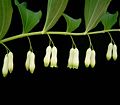 Polygonatum multiflorum
 -
 Polygonatum humile
 -
 Polygonatum odoratum
 -
 Polygonatum verticillatum


Ad. Transform your health with W8MD Weight Loss, Sleep & MedSpa

Tired of being overweight?
Special offer:
Budget GLP-1 weight loss medications
- Semaglutide starting from $29.99/week and up with insurance for visit of $59.99 and up per week self pay.
- Tirzepatide starting from $45.00/week and up (dose dependent) or $69.99/week and up self pay
✔ Same-week appointments, evenings & weekends
Learn more:
- GLP-1 weight loss clinic NYC
- W8MD's NYC medical weight loss
- W8MD Philadelphia GLP-1 shots
- Philadelphia GLP-1 injections
- Affordable GLP-1 shots NYC
|
WikiMD Medical Encyclopedia |
Medical Disclaimer: WikiMD is for informational purposes only and is not a substitute for professional medical advice. Content may be inaccurate or outdated and should not be used for diagnosis or treatment. Always consult your healthcare provider for medical decisions. Verify information with trusted sources such as CDC.gov and NIH.gov. By using this site, you agree that WikiMD is not liable for any outcomes related to its content. See full disclaimer.
Credits:Most images are courtesy of Wikimedia commons, and templates, categories Wikipedia, licensed under CC BY SA or similar.
Translate this page: - East Asian
中文,
日本,
한국어,
South Asian
हिन्दी,
தமிழ்,
తెలుగు,
Urdu,
ಕನ್ನಡ,
Southeast Asian
Indonesian,
Vietnamese,
Thai,
မြန်မာဘာသာ,
বাংলা
European
español,
Deutsch,
français,
Greek,
português do Brasil,
polski,
română,
русский,
Nederlands,
norsk,
svenska,
suomi,
Italian
Middle Eastern & African
عربى,
Turkish,
Persian,
Hebrew,
Afrikaans,
isiZulu,
Kiswahili,
Other
Bulgarian,
Hungarian,
Czech,
Swedish,
മലയാളം,
मराठी,
ਪੰਜਾਬੀ,
ગુજરાતી,
Portuguese,
Ukrainian
