Diagnosis of malaria
Diagnosis of Malaria
Malaria is a life-threatening disease caused by parasites that are transmitted to people through the bites of infected female Anopheles mosquitoes. Early diagnosis and treatment of malaria reduce disease severity and prevent deaths. It is crucial to accurately diagnose malaria to ensure the right treatment is given and to prevent the spread of this disease.
Symptoms[edit]
Malaria symptoms can vary but typically include fever, fatigue, vomiting, and headaches. In severe cases, it can cause yellow skin, seizures, coma, or death. Symptoms usually appear between 10 and 15 days after the mosquito bite. However, without treatment, symptoms may recur months later in those who have recovered from the initial infection.
Diagnostic Methods[edit]
The diagnosis of malaria involves several methods, each with its advantages and limitations. The most common diagnostic methods include:
Microscopic Examination[edit]
Microscopic examination of blood samples is considered the gold standard for malaria diagnosis. This method involves staining and visualizing the parasites on a blood slide under a microscope. It is the most reliable and widely used method, capable of identifying the parasite species and quantifying the parasite load.
Rapid Diagnostic Tests (RDTs)[edit]
Rapid Diagnostic Tests (RDTs) offer a quick and easy way to diagnose malaria without the need for specialized equipment or highly trained personnel. RDTs detect antigens derived from malaria parasites in the blood of infected individuals. While RDTs provide results in 15 to 30 minutes, they may not be as accurate as microscopic examination and cannot quantify the parasite load.
Molecular Methods[edit]
Molecular methods, such as Polymerase Chain Reaction (PCR), are highly sensitive and can detect low levels of parasites in the blood. PCR is particularly useful in cases where microscopic examination and RDTs fail to provide conclusive results. However, PCR requires specialized equipment and expertise, limiting its availability in resource-limited settings.
Serology[edit]
Serology involves detecting antibodies against malaria parasites in the blood. While serology can indicate past or present infection, it is not commonly used for the initial diagnosis of malaria due to its inability to distinguish between current and past infections.
Prevention and Control[edit]
Prevention and control of malaria involve a combination of strategies, including the use of insecticide-treated mosquito nets, indoor residual spraying with insecticides, and preventive antimalarial medications for high-risk groups. Public health efforts also focus on reducing mosquito breeding sites and improving access to effective malaria diagnosis and treatment.
Treatment[edit]
The treatment of malaria depends on the species of malaria parasite, the severity of symptoms, and the patient's age and pregnancy status. The most commonly used antimalarial drugs include artemisinin-based combination therapies (ACTs). Prompt and effective treatment is crucial to prevent severe disease and death.

-
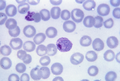 Plasmodium vivax
 -
 Plasmodium ovale
 -
 Plasmodium falciparum
 -
 Mature Plasmodium malariae schizont


Ad. Transform your health with W8MD Weight Loss, Sleep & MedSpa

Tired of being overweight?
Special offer:
Budget GLP-1 weight loss medications
- Semaglutide starting from $29.99/week and up with insurance for visit of $59.99 and up per week self pay.
- Tirzepatide starting from $45.00/week and up (dose dependent) or $69.99/week and up self pay
✔ Same-week appointments, evenings & weekends
Learn more:
- GLP-1 weight loss clinic NYC
- W8MD's NYC medical weight loss
- W8MD Philadelphia GLP-1 shots
- Philadelphia GLP-1 injections
- Affordable GLP-1 shots NYC
|
WikiMD Medical Encyclopedia |
Medical Disclaimer: WikiMD is for informational purposes only and is not a substitute for professional medical advice. Content may be inaccurate or outdated and should not be used for diagnosis or treatment. Always consult your healthcare provider for medical decisions. Verify information with trusted sources such as CDC.gov and NIH.gov. By using this site, you agree that WikiMD is not liable for any outcomes related to its content. See full disclaimer.
Credits:Most images are courtesy of Wikimedia commons, and templates, categories Wikipedia, licensed under CC BY SA or similar.
Translate this page: - East Asian
中文,
日本,
한국어,
South Asian
हिन्दी,
தமிழ்,
తెలుగు,
Urdu,
ಕನ್ನಡ,
Southeast Asian
Indonesian,
Vietnamese,
Thai,
မြန်မာဘာသာ,
বাংলা
European
español,
Deutsch,
français,
Greek,
português do Brasil,
polski,
română,
русский,
Nederlands,
norsk,
svenska,
suomi,
Italian
Middle Eastern & African
عربى,
Turkish,
Persian,
Hebrew,
Afrikaans,
isiZulu,
Kiswahili,
Other
Bulgarian,
Hungarian,
Czech,
Swedish,
മലയാളം,
मराठी,
ਪੰਜਾਬੀ,
ગુજરાતી,
Portuguese,
Ukrainian
