Pet food
Pet Food is a specialized type of food crafted specifically for the dietary needs of domesticated animals. It is designed to meet the nutritional requirements of pets, which can vary significantly among different species, breeds, and individual animals. Pet food is a critical component of pet care, ensuring that pets receive the balanced diet necessary for their health and well-being.
Types of Pet Food[edit]
Pet food comes in various forms, each tailored to meet the specific needs and preferences of pets and their owners. The main types include:
- Dry Food (Kibble): This is the most common type of pet food, characterized by its low moisture content. It is convenient, cost-effective, and can help in maintaining dental health by reducing plaque accumulation.
- Wet Food (Canned): Wet food has a higher moisture content than dry food, which can be beneficial for hydration. It is often more palatable to pets.
- Raw Food: A diet that includes raw meat, bones, fruits, and vegetables. This type of food aims to mimic the natural diet of wild ancestors of pets.
- Specialized Food: Formulated for pets with specific dietary needs due to health issues, age, or breed. Examples include food for weight management, hypoallergenic food, or food for senior pets.
Nutritional Requirements[edit]
The nutritional needs of pets can vary widely based on their species, age, size, and health status. Essential nutrients that must be balanced in pet food include:
- Proteins: Crucial for growth, maintenance, and repair of body tissues.
- Fats: Provide energy and help in the absorption of certain vitamins.
- Carbohydrates: Serve as an additional energy source.
- Vitamins and Minerals: Required for various biochemical processes in the body.
- Water: Essential for all life processes.
Regulation and Safety[edit]
The production and sale of pet food are regulated by various national and international agencies to ensure safety and nutritional adequacy. In the United States, the Food and Drug Administration (FDA) and the Association of American Feed Control Officials (AAFCO) set standards for pet food labeling and nutritional content.
Controversies and Concerns[edit]
Pet food industry has faced criticism and concerns over the years, including issues related to the quality of ingredients, transparency in labeling, and the recall of contaminated products. Consumers are advised to research pet food brands and consider consulting a veterinarian when choosing the best diet for their pets.
Environmental Impact[edit]
The pet food industry also has an environmental footprint, associated with the sourcing of ingredients, packaging, and transportation. Sustainable practices and the use of eco-friendly materials are increasingly becoming a focus within the industry.
Conclusion[edit]
Choosing the right pet food is vital for the health and happiness of pets. Owners should consider their pet's specific needs, consult with professionals, and stay informed about the latest research and developments in pet nutrition.

-
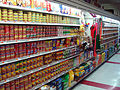 Pet food aisle in a supermarket
 -
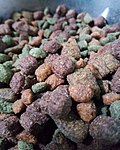 Various brands of cat food
 -
 Bushtits feeding
 -
 Dry cat food


Ad. Transform your health with W8MD Weight Loss, Sleep & MedSpa

Tired of being overweight?
Special offer:
Budget GLP-1 weight loss medications
- Semaglutide starting from $29.99/week and up with insurance for visit of $59.99 and up per week self pay.
- Tirzepatide starting from $45.00/week and up (dose dependent) or $69.99/week and up self pay
✔ Same-week appointments, evenings & weekends
Learn more:
- GLP-1 weight loss clinic NYC
- W8MD's NYC medical weight loss
- W8MD Philadelphia GLP-1 shots
- Philadelphia GLP-1 injections
- Affordable GLP-1 shots NYC
|
WikiMD Medical Encyclopedia |
Medical Disclaimer: WikiMD is for informational purposes only and is not a substitute for professional medical advice. Content may be inaccurate or outdated and should not be used for diagnosis or treatment. Always consult your healthcare provider for medical decisions. Verify information with trusted sources such as CDC.gov and NIH.gov. By using this site, you agree that WikiMD is not liable for any outcomes related to its content. See full disclaimer.
Credits:Most images are courtesy of Wikimedia commons, and templates, categories Wikipedia, licensed under CC BY SA or similar.
Translate this page: - East Asian
中文,
日本,
한국어,
South Asian
हिन्दी,
தமிழ்,
తెలుగు,
Urdu,
ಕನ್ನಡ,
Southeast Asian
Indonesian,
Vietnamese,
Thai,
မြန်မာဘာသာ,
বাংলা
European
español,
Deutsch,
français,
Greek,
português do Brasil,
polski,
română,
русский,
Nederlands,
norsk,
svenska,
suomi,
Italian
Middle Eastern & African
عربى,
Turkish,
Persian,
Hebrew,
Afrikaans,
isiZulu,
Kiswahili,
Other
Bulgarian,
Hungarian,
Czech,
Swedish,
മലയാളം,
मराठी,
ਪੰਜਾਬੀ,
ગુજરાતી,
Portuguese,
Ukrainian
