Physical layer
Physical Layer[edit]
The physical layer is the first and lowest layer of the OSI (Open Systems Interconnection) model, which is a conceptual framework used to understand and describe how different computer systems communicate with each other. It is responsible for the transmission and reception of raw data bits over a physical medium, such as copper wires, fiber optic cables, or wireless channels. In this article, we will explore the key concepts and functionalities of the physical layer.
Overview[edit]
The physical layer primarily deals with the physical characteristics of the communication channel, including the electrical, mechanical, and functional specifications. Its main objective is to establish and maintain a reliable physical connection between the sender and receiver devices. This layer ensures that the bits sent by the sender are accurately received by the receiver, without any errors or distortions.
Functions[edit]
The physical layer performs several important functions to facilitate the transmission of data. These functions include:
1. **Encoding and Modulation**: The physical layer converts digital data into a suitable format for transmission over the physical medium. This involves encoding the data into electrical signals or light pulses, depending on the type of medium used.
2. **Transmission Medium**: The physical layer defines the characteristics of the transmission medium, such as its bandwidth, data rate, and signal attenuation. Different types of media, such as twisted-pair cables, coaxial cables, and optical fibers, have different properties that affect the transmission of data.
3. **Signal Transmission**: The physical layer is responsible for transmitting the encoded data signals over the transmission medium. It ensures that the signals are properly transmitted, amplified, and synchronized to maintain the integrity of the data.
4. **Line Coding**: Line coding is a technique used by the physical layer to convert digital data into a specific pattern of voltage or current levels. This helps in reducing errors and improving the reliability of data transmission.
5. **Error Detection and Correction**: The physical layer incorporates error detection and correction mechanisms to identify and correct any errors that may occur during transmission. This ensures the accuracy and integrity of the received data.
Standards and Protocols[edit]
Various standards and protocols govern the physical layer's operations to ensure compatibility and interoperability between different devices and networks. Some of the commonly used standards include:
- Ethernet: Ethernet is a widely used standard for local area networks (LANs) that defines the physical and data link layers. It specifies the characteristics of the Ethernet cables, connectors, and signaling methods.
- Wi-Fi: Wi-Fi is a wireless networking technology that operates in the physical layer and higher layers of the OSI model. It enables devices to connect to a network without the need for physical cables.
- Fiber Optic Communication: Fiber optic communication uses optical fibers to transmit data signals over long distances. It offers high bandwidth, low signal loss, and immunity to electromagnetic interference.
Conclusion[edit]
The physical layer plays a crucial role in establishing a reliable and efficient communication channel between devices. It ensures that data is transmitted accurately and efficiently over the physical medium. By understanding the concepts and functionalities of the physical layer, we can better appreciate the complexities involved in modern communication systems.
See Also[edit]
Physical_layer[edit]
-
 Realtek RTL8201CL Ethernet PHY
 -
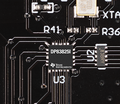 DP83825I Ethernet PHY
 -
 Micrel KS8721CL Ethernet PHY


Ad. Transform your health with W8MD Weight Loss, Sleep & MedSpa

Tired of being overweight?
Special offer:
Budget GLP-1 weight loss medications
- Semaglutide starting from $29.99/week and up with insurance for visit of $59.99 and up per week self pay.
- Tirzepatide starting from $45.00/week and up (dose dependent) or $69.99/week and up self pay
✔ Same-week appointments, evenings & weekends
Learn more:
- GLP-1 weight loss clinic NYC
- W8MD's NYC medical weight loss
- W8MD Philadelphia GLP-1 shots
- Philadelphia GLP-1 injections
- Affordable GLP-1 shots NYC
|
WikiMD Medical Encyclopedia |
Medical Disclaimer: WikiMD is for informational purposes only and is not a substitute for professional medical advice. Content may be inaccurate or outdated and should not be used for diagnosis or treatment. Always consult your healthcare provider for medical decisions. Verify information with trusted sources such as CDC.gov and NIH.gov. By using this site, you agree that WikiMD is not liable for any outcomes related to its content. See full disclaimer.
Credits:Most images are courtesy of Wikimedia commons, and templates, categories Wikipedia, licensed under CC BY SA or similar.
Translate this page: - East Asian
中文,
日本,
한국어,
South Asian
हिन्दी,
தமிழ்,
తెలుగు,
Urdu,
ಕನ್ನಡ,
Southeast Asian
Indonesian,
Vietnamese,
Thai,
မြန်မာဘာသာ,
বাংলা
European
español,
Deutsch,
français,
Greek,
português do Brasil,
polski,
română,
русский,
Nederlands,
norsk,
svenska,
suomi,
Italian
Middle Eastern & African
عربى,
Turkish,
Persian,
Hebrew,
Afrikaans,
isiZulu,
Kiswahili,
Other
Bulgarian,
Hungarian,
Czech,
Swedish,
മലയാളം,
मराठी,
ਪੰਜਾਬੀ,
ગુજરાતી,
Portuguese,
Ukrainian
