Aerobic fermentation
Aerobic fermentation

Aerobic fermentation is a metabolic process in which cells convert sugars into energy in the presence of oxygen. This process is distinct from anaerobic fermentation, which occurs without oxygen. Aerobic fermentation is utilized by various organisms, including yeast and bacteria, and plays a crucial role in industrial applications such as the production of ethanol and other biofuels.
Overview[edit]
Aerobic fermentation involves the breakdown of glucose and other sugars into carbon dioxide and water, releasing energy in the form of adenosine triphosphate (ATP). This process is more efficient than anaerobic fermentation, as it produces more ATP per molecule of glucose.
Biochemical Pathway[edit]
The process of aerobic fermentation begins with glycolysis, where glucose is converted into pyruvate. In the presence of oxygen, pyruvate enters the citric acid cycle (also known as the Krebs cycle) and is further oxidized. The electrons released during these reactions are transferred to the electron transport chain, where they ultimately reduce oxygen to water, generating a proton gradient that drives ATP synthesis.
Applications[edit]
Aerobic fermentation is widely used in the production of biofuels, such as ethanol, and in the food industry for the production of various fermented products. It is also a key process in the pharmaceutical industry for the production of antibiotics and other drugs.
Comparison with Anaerobic Fermentation[edit]
While both aerobic and anaerobic fermentation involve the breakdown of sugars, aerobic fermentation is more efficient in terms of energy production. Anaerobic fermentation, such as lactic acid fermentation and alcoholic fermentation, occurs in the absence of oxygen and results in the production of less ATP.
The Warburg Effect[edit]

The Warburg effect is a phenomenon observed in cancer cells, where they preferentially utilize glycolysis for energy production even in the presence of oxygen. This is contrary to the typical preference for aerobic respiration in normal cells. The Warburg effect is thought to provide cancer cells with a growth advantage and is a subject of extensive research in cancer biology.
Yeast and Aerobic Fermentation[edit]

Yeast, particularly Saccharomyces cerevisiae, is a model organism for studying aerobic fermentation. In the presence of oxygen, yeast can perform aerobic respiration, but it can also switch to anaerobic fermentation when oxygen is limited. This flexibility allows yeast to thrive in various environments and is exploited in the production of alcoholic beverages and baked goods.
Related pages[edit]
-
 Diagram of Ethanol Fermentation
 -
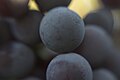 Wine Grapes with Yeast
 -
 Warburg Effect
Ad. Transform your life with W8MD's
GLP-1 weight loss injections special from $29.99


W8MD Medical Weight Loss, Sleep and Medspa offers physician-supervised medical weight loss programs: NYC medical weight loss Philadelphia medical weight loss
Affordable GLP-1 Weight Loss ShotsAffordable GLP-1 Weight Loss Shots
Budget GLP-1 injections NYC (insurance & self-pay options) Popular treatments:
- Semaglutide starting from $29.99/week
- Tirzepatide starting from $45.00/week
✔ Most insurances accepted for visits ✔ Prior authorization support when eligible
Start your physician weight loss NYC journey today:
📍 NYC: Brooklyn weight loss center 📍 Philadelphia: Philadelphia weight loss center
📞 Call: 718-946-5500 (NYC) | 215-676-2334 (Philadelphia)
Tags: Affordable GLP1 weight loss NYC, Wegovy NYC, Zepbound NYC, Philadelphia medical weight loss


|
WikiMD Medical Encyclopedia |
Medical Disclaimer: WikiMD is not a substitute for professional medical advice. The information on WikiMD is provided as an information resource only, may be incorrect, outdated or misleading, and is not to be used or relied on for any diagnostic or treatment purposes. Please consult your health care provider before making any healthcare decisions or for guidance about a specific medical condition. WikiMD expressly disclaims responsibility, and shall have no liability, for any damages, loss, injury, or liability whatsoever suffered as a result of your reliance on the information contained in this site. By visiting this site you agree to the foregoing terms and conditions, which may from time to time be changed or supplemented by WikiMD. If you do not agree to the foregoing terms and conditions, you should not enter or use this site. See full disclaimer.
Credits:Most images are courtesy of Wikimedia commons, and templates, categories Wikipedia, licensed under CC BY SA or similar.
Translate this page: - East Asian
中文,
日本,
한국어,
South Asian
हिन्दी,
தமிழ்,
తెలుగు,
Urdu,
ಕನ್ನಡ,
Southeast Asian
Indonesian,
Vietnamese,
Thai,
မြန်မာဘာသာ,
বাংলা
European
español,
Deutsch,
français,
Greek,
português do Brasil,
polski,
română,
русский,
Nederlands,
norsk,
svenska,
suomi,
Italian
Middle Eastern & African
عربى,
Turkish,
Persian,
Hebrew,
Afrikaans,
isiZulu,
Kiswahili,
Other
Bulgarian,
Hungarian,
Czech,
Swedish,
മലയാളം,
मराठी,
ਪੰਜਾਬੀ,
ગુજરાતી,
Portuguese,
Ukrainian
