Yarding
Yarding is a forestry term that refers to the process of gathering logs from the forest, after they have been cut, to a landing or yard where they can be loaded onto trucks or rail cars for transport to a mill or other destination. The term is derived from the practice of creating a central collection point, or yard, for logs.
History[edit]
The practice of yarding has been in use for centuries, with early methods involving the use of animals, such as oxen or horses, to drag logs to a central yard. This method, known as skidding, was labor-intensive and often resulted in significant damage to the forest floor.
In the late 19th and early 20th centuries, the development of steam-powered machinery led to the introduction of more efficient yarding methods. These included the use of donkey engines and cable logging, which allowed logs to be moved over longer distances with less impact on the environment.
Methods[edit]
There are several methods of yarding, each with its own advantages and disadvantages. These include:
- Skyline Yarding: This method involves the use of a cable system suspended between two points, usually trees or towers. The logs are attached to the cable and lifted off the ground for transport to the yard. This method is particularly effective in steep or difficult terrain.
- Ground Yarding: This method involves dragging the logs along the ground to the yard. While this method is simpler and often less expensive than skyline yarding, it can cause significant damage to the forest floor.
- Helicopter Yarding: This method involves the use of helicopters to lift and transport logs. While this method is the most expensive, it is also the least damaging to the environment and can be used in areas where other methods are not feasible.
Environmental Impact[edit]
The method of yarding chosen can have a significant impact on the environment. Ground yarding, for example, can cause soil compaction and erosion, damage to remaining trees, and disruption of wildlife habitats. Skyline and helicopter yarding, while more expensive, generally have less impact on the environment.
See Also[edit]
Yarding[edit]
-
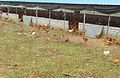 Free range chickens in Hainan, China
 -
 Yarding poultry farm
 -
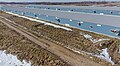 Chicken yarding in the winter


Ad. Transform your health with W8MD Weight Loss, Sleep & MedSpa

Tired of being overweight?
Special offer:
Budget GLP-1 weight loss medications
- Semaglutide starting from $29.99/week and up with insurance for visit of $59.99 and up per week self pay.
- Tirzepatide starting from $45.00/week and up (dose dependent) or $69.99/week and up self pay
✔ Same-week appointments, evenings & weekends
Learn more:
- GLP-1 weight loss clinic NYC
- W8MD's NYC medical weight loss
- W8MD Philadelphia GLP-1 shots
- Philadelphia GLP-1 injections
- Affordable GLP-1 shots NYC
|
WikiMD Medical Encyclopedia |
Medical Disclaimer: WikiMD is for informational purposes only and is not a substitute for professional medical advice. Content may be inaccurate or outdated and should not be used for diagnosis or treatment. Always consult your healthcare provider for medical decisions. Verify information with trusted sources such as CDC.gov and NIH.gov. By using this site, you agree that WikiMD is not liable for any outcomes related to its content. See full disclaimer.
Credits:Most images are courtesy of Wikimedia commons, and templates, categories Wikipedia, licensed under CC BY SA or similar.
Translate this page: - East Asian
中文,
日本,
한국어,
South Asian
हिन्दी,
தமிழ்,
తెలుగు,
Urdu,
ಕನ್ನಡ,
Southeast Asian
Indonesian,
Vietnamese,
Thai,
မြန်မာဘာသာ,
বাংলা
European
español,
Deutsch,
français,
Greek,
português do Brasil,
polski,
română,
русский,
Nederlands,
norsk,
svenska,
suomi,
Italian
Middle Eastern & African
عربى,
Turkish,
Persian,
Hebrew,
Afrikaans,
isiZulu,
Kiswahili,
Other
Bulgarian,
Hungarian,
Czech,
Swedish,
മലയാളം,
मराठी,
ਪੰਜਾਬੀ,
ગુજરાતી,
Portuguese,
Ukrainian
